
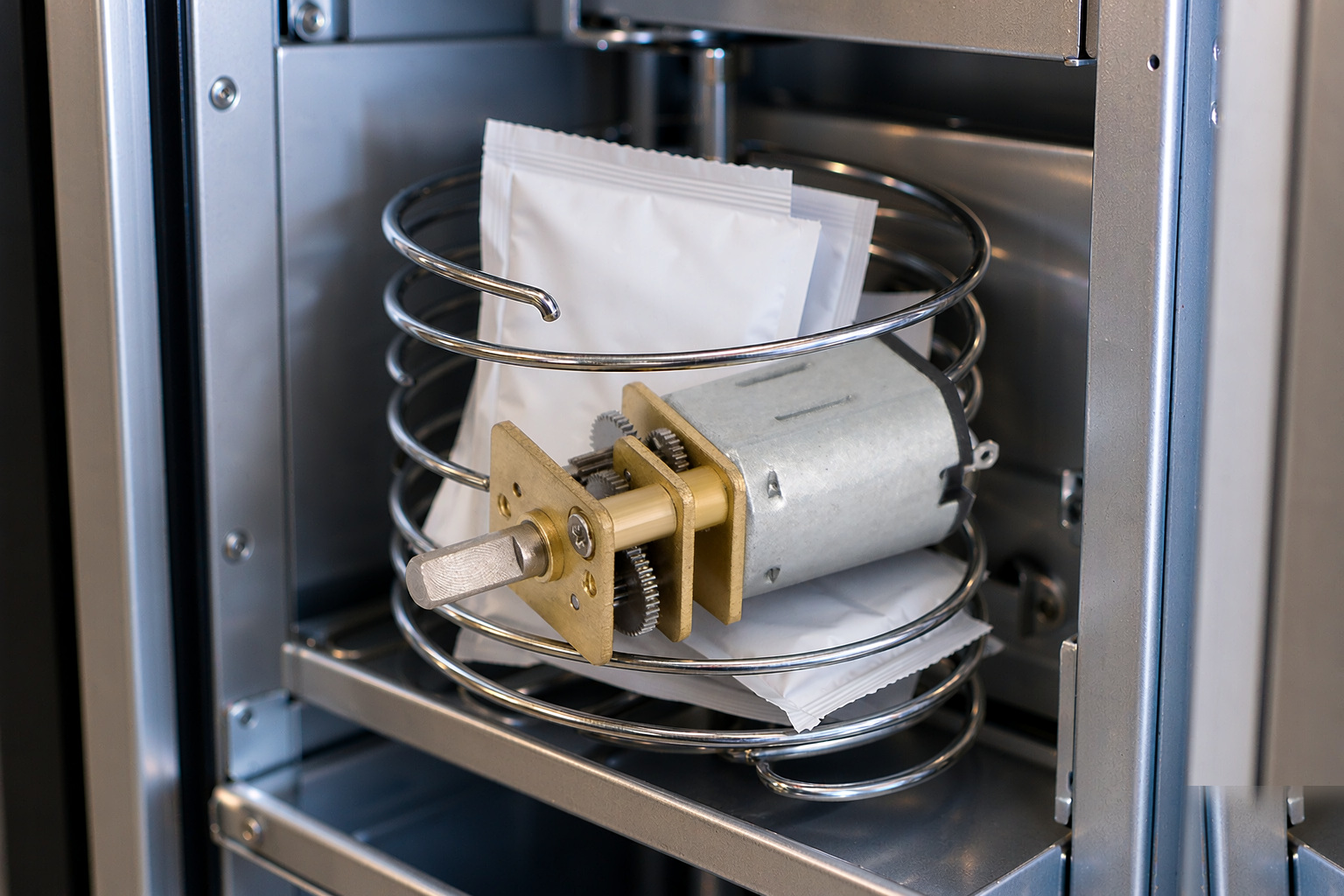
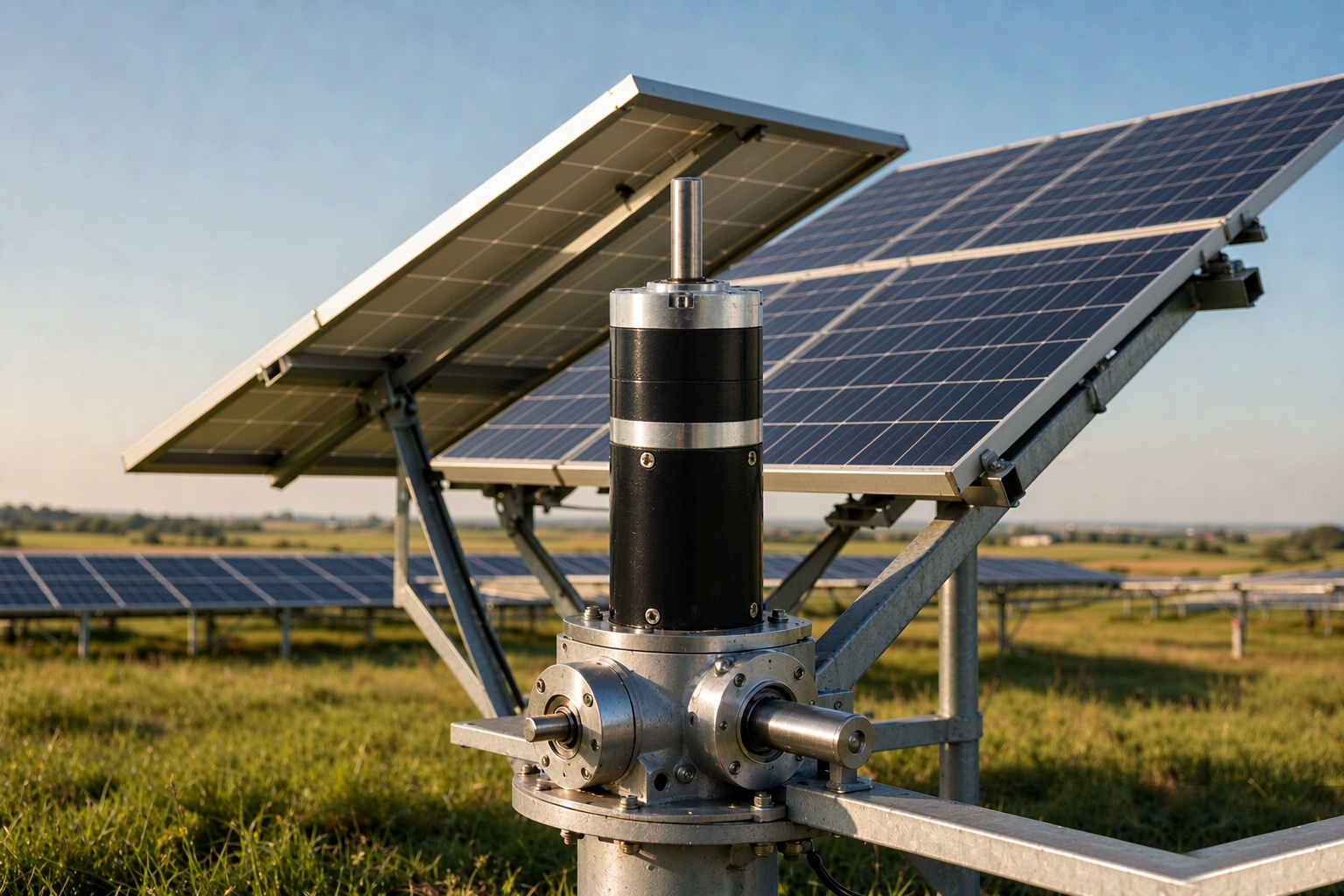
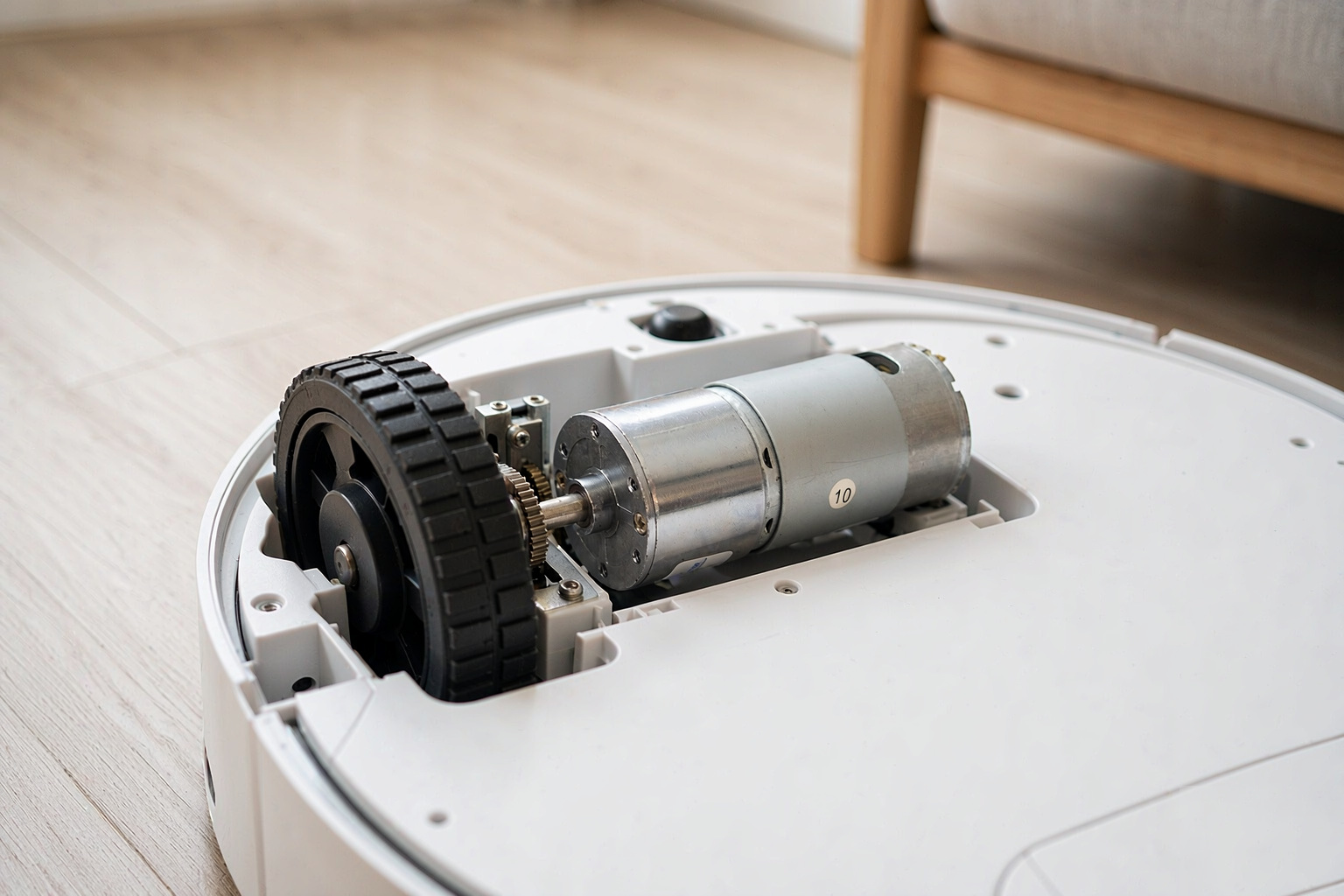
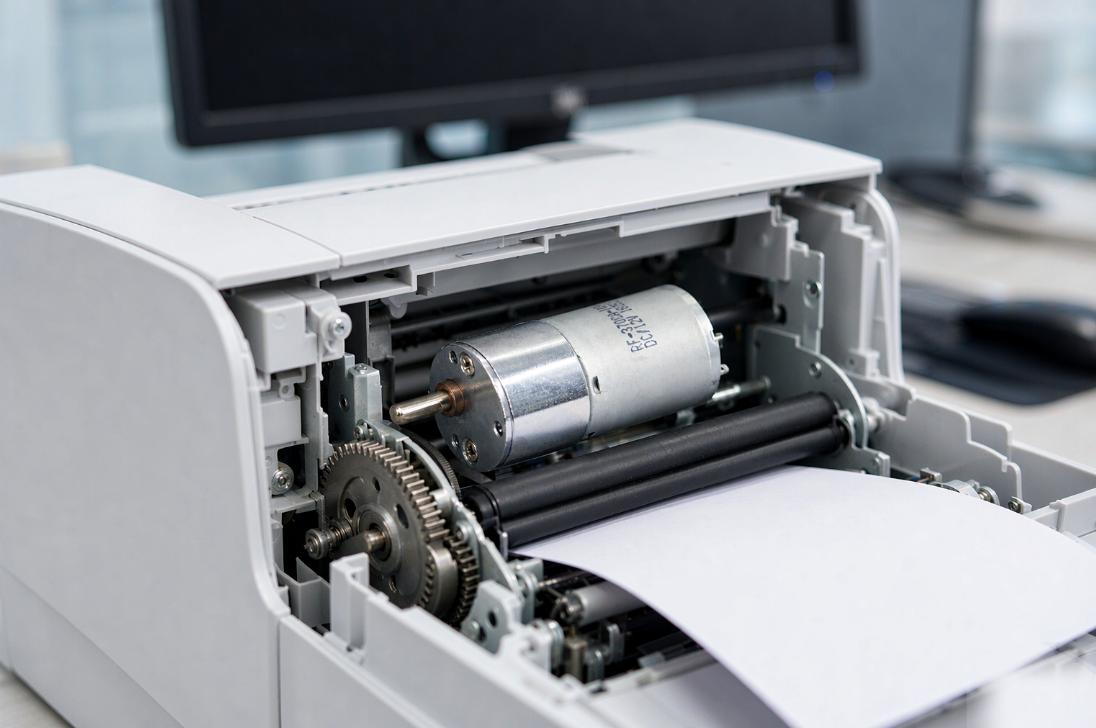
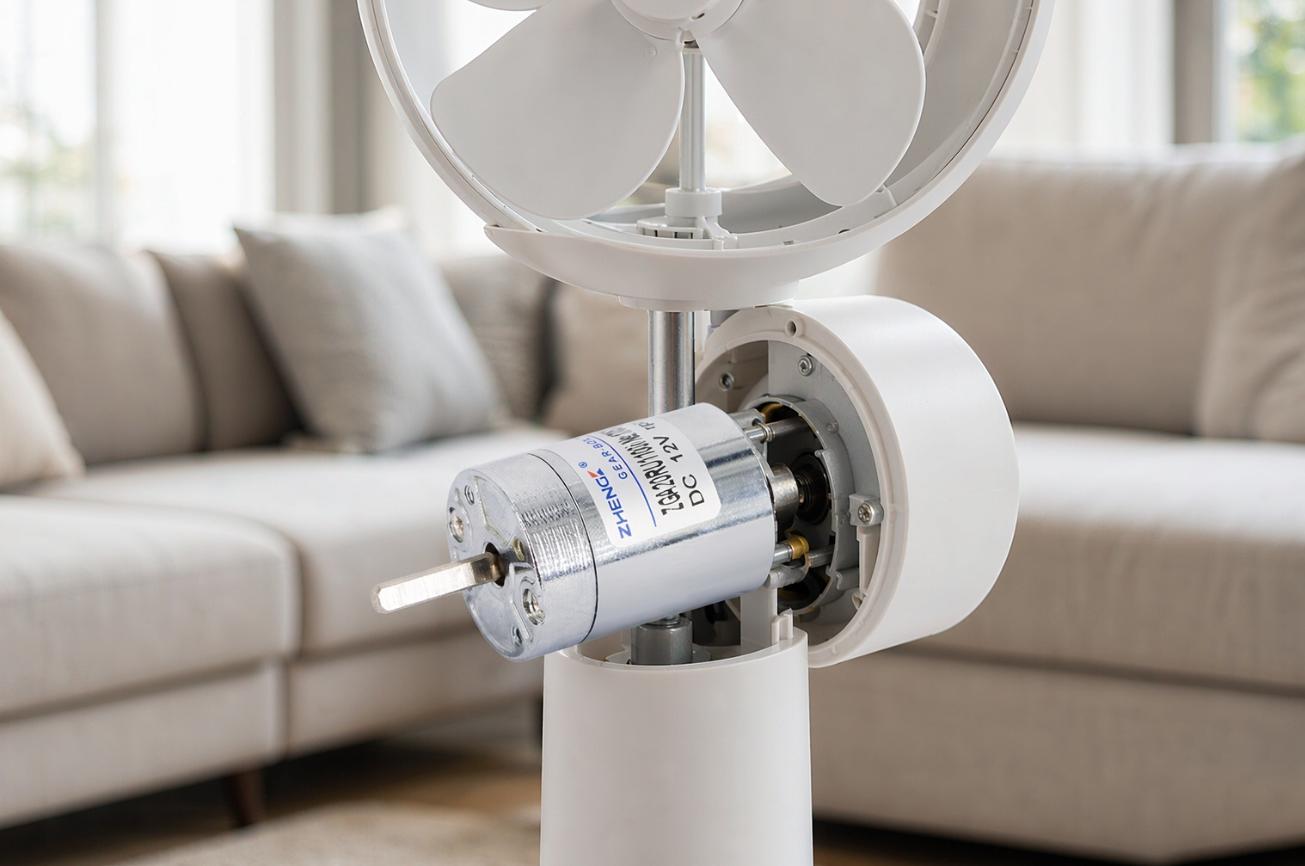
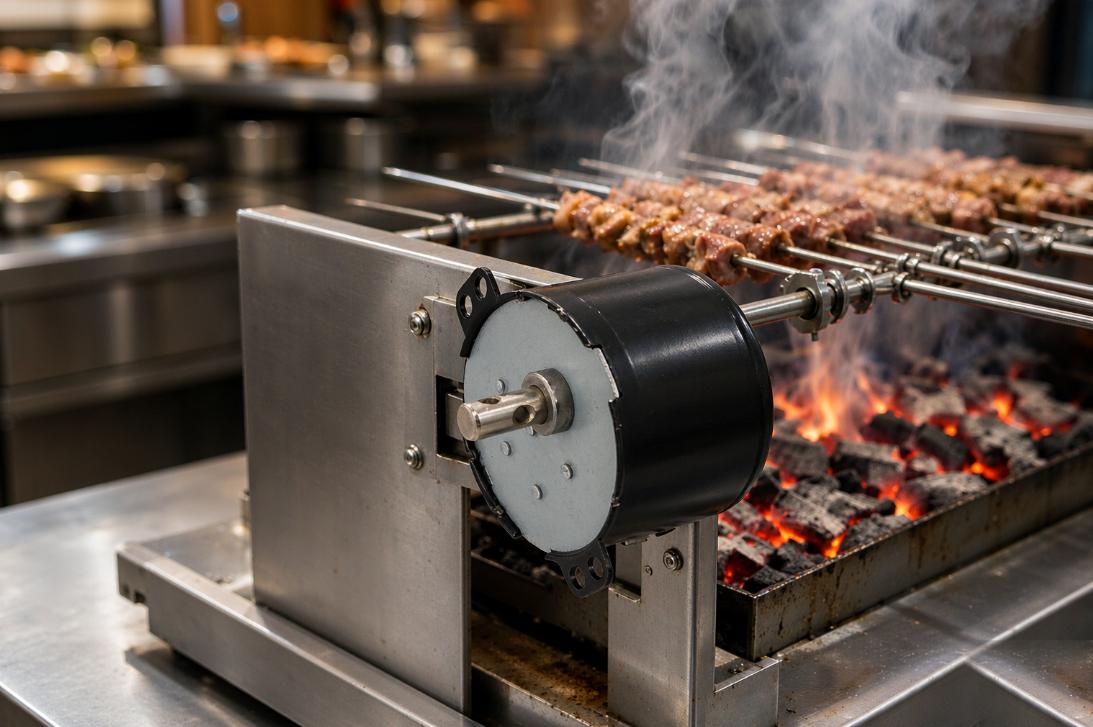
Why Does My DC Gear Motor Overheat Under Normal Load?
Understanding DC Gear Motor Overheating Under Normal Load
If the Dc Gear Motor is overheating when it's performing its functions under normal conditions, it may be symptomatic of a problem.DC gear motors are built to ensure reliability and efficiency, making them ideal for all sorts of applications. However, overheating can lead to sudden breaks, significantly shorten their lifespan, or even cause total destruction. In this piece of writing, we are going to discuss the causes, the steps to diagnose the problem, the ways to prevent it, and the most frequently asked questions concerning DC gear motor overheating. If you are facing overheating of your DC gear motor, we will give meaningful recommendations and necessary advice.
Is It Normal for a DC Geared Motor to Get Warm During Operation?
Any Dc Motor will definitely generate some heat in the course of its operation owing to electrical and mechanical losses. Friction between bearings, gearbox, and brushes, as well as copper losses within the windings, is something that will cause heating most naturally. For many applications, aDC geared motor is expected to warm up after continuous operation. Overheating or fast heating is abnormal, however. If the motor is so hot that you can't comfortably keep your hand on it, or if it behaves erratically, then you may have to deal with overheating of your DC geared motor.
Certain manufacturers establish a maximum permissible temperature range. This is usually around 70°C (158°F) for the casing. Temperatures above that can mean that trouble is in the making. The primary difference is between "warm" and "overheated". Long-term overheating has a damaging effect on the insulation, causing it to age faster and incur irreparable internal damage.
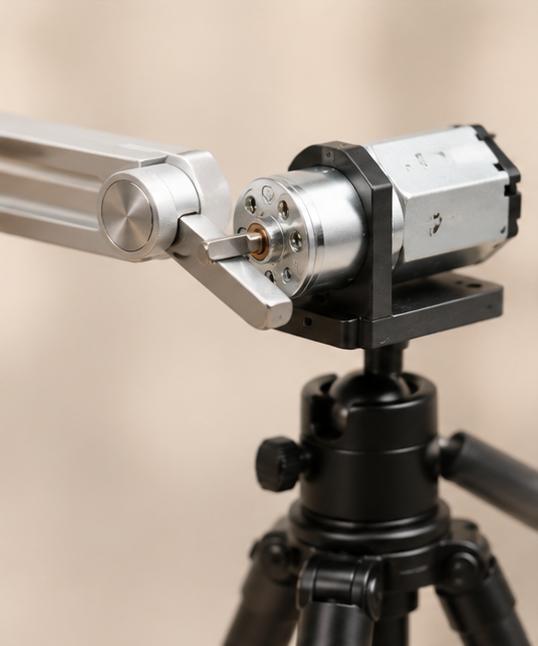
Main Causes of DC Gearbox Motor Overheating
Let's take a look at the main causes of overheating when using a DC gear motor under normal load. Even if you operate your motor within its rated limits, plenty of aspects can cause high temperatures in it:
Mechanical Overload: It is often thought that even the "normal load" can transform into overload conditions if the gearbox does not fit the purpose or is subjected to any kind of resistance (like misalignment, for example, in the driven mechanism).
Electrical Overload: An incorrect supply voltage or the quality of power can increase the amount of electricity above its design limits, even though the mechanical load is acceptable.
Poor Ventilation: In case a motor is placed inside an enclosure or linked with a thermal insulation barrier, it will not be able to dissipate heat properly.
Inadequate Lubrication: Gear failure due to improper lubrication raises friction considerably, heating the entire assembly.
Defective Bearings or Bushings: When bearings or bushings have high resistance, this will force the motor to do more work than necessary.
Ambient Temperature: Hot ambient temperatures or direct sunlight can aggravate internal heating and result in unsafe conditions.
Frequent Start-Stop Cycles: The operation of an intermittent nature causes spikes in current, resulting in thermal stress in the windings of a DC motor.
Encoder Issues: The incorrect tuning or malfunction in certain motors with magnetic encoder can lead to erratic performance of the drive system and result in excessive heat buildup in the DC gear motor after prolonged operations.
How to Test the Current of an Overheating DC Gear Motor?
If the motor overheats for a long time, it tends to draw more current than needed. Current measurement is crucial in terms of both identifying a problem and confirming its compliance with the manufacturers' guidelines. Here are the steps for pre-emptive motor current measurement.
Use an inline ammeter or a digital clamp meter to check the current when the motor is operating at its rated load. This value should be compared to the motor nameplate rating, and if it is substantially higher than the rated amount, it means that there is either a mechanical binding or electrical overload.
In cases where testing reveals a higher current during "regular" operation, remove the load and note down the current without load. If the motor is getting hot even after the disconnection, the problem probably lies inside the system (like winding resistance or bearing issues). If the motor remains cool in no-load conditions, the issue may be in the assembly.
You should constantly adhere to electrical safety guidelines when measuring electricity. Please do not ignore safety tools.
Can Wrong Voltage Make DC Gear Motor Overheat?
Definitely. DC gear motors are built to work in a specified voltage range. Using voltages higher than rated will increase the current and thus the heat output. The same can be said of under-voltage – it causes the motor to work slower and more often stall and draw higher currents in recovery.
Voltage mismatches are widespread in retrofits or replacements where wiring mistakes or differences in power supply are overlooked. For instance, using a motor rated at 12V at 24V will push it beyond its limits in current and temperature. On the contrary, if a 24V motor is run at 12V, it will struggle in order to achieve torque.
Tip: It's best to check the voltage being supplied against what the motor is rated for and look for any voltage rises, fluctuations, or any instability that is causing excessive heating of the motor.
How to Reduce Heat for a DC Gear Motor?
Different methods can be applied to reduce excessive built-up heat in your DC gear motor. One of the ways that could be done is to:
Improve Cooling: Install fan-forced ventilation or optimize air circulation in the vicinity of the device. Putting a fan in place or relocating the equipment to a more open area improves cooling of the object considerably.
Check and Adjust Load: Examine the adjustments to the mechanical load, belt pull, and gear ratios. Reducing the resistance in the system will help to decrease the heat produced.
Optimize Voltage Supply: Use power supplies that are regulated, do wiring checks, and track down the voltage abnormalities. Make use of protective devices to defend against spikes.
Upgrade Lubrication: Gearbox lubricant should be checked frequently and changed when necessary. Good lubrication reduces slipping of components, thus reducing the amount of heat produced.
Prevent Frequent Start-Stop Cycles: If feasible, ensure your system is designed in such a way that there will be no unnecessary stop-start sequences. Soft-start systems or ramp-up circuits can assist in reducing surges.
Encoder Calibration: When utilizing a magnetic encoder, make sure that it is properly mounted and tuned. If incorrectly set, control feedback loops may force the motor to operate beyond the limits.
Regular maintenance, which includes cleaning, inspecting, and recalibrating, is vital in sustaining heat management in the long term. Any accumulation of dirt or dust in the cooling vent zone should also be removed immediately.
Safe Working Temperature for a DC Geared Motor
The information regarding the safe working temperature of the products is generally provided by the manufacturers in the technical data. Most of the DC gear motors are designed to work continuously at ambient temperatures close to 40 degrees Celsius (104 degrees Fahrenheit), with the temperature of the housing not exceeding 70 degrees Celsius (158 degrees Fahrenheit). Exceeding this temperature would lead to extremely fast aging of the insulation, which could lead to the failure of the winding.
In applications with elevated temperatures, you should select motors that are rated for those conditions (including special insulation or heat-resistant materials) or use cooling devices. Remain vigilant and monitor the temperature periodically with the use of infrared thermometers or embedded sensors to gain live feedback. Always remember what you aim to avoid - the condition when the internal winding starts to demagnetize (the limit for many products is approximately 150°C).
Typically, safe thermal thresholds are defined as:
- 40 - 45°C (104 - 113°F): Comfortable continuous operation
- 60 - 70°C (140 - 158°F): High but acceptable with robust cooling
- 70°C+ (158°F+): At risk of overheating and degradation
Does Frequent Start-Stop Make DC Gear Motor Overheat?
DC gear motors are well-known for experiencing overheating under rated load as a result of their frequent start-stop cycles. The motors draw inrush current upon start-up, and it is usually many times higher than the running current. If your application requires frequent switching between stop and start operation, the anchor will be hot each time without the proper cooling cycle in between.
Technologies like automatic gates, precision instruments, or robotics very often face the above-mentioned problem. Implementing smart drive controllers equipped with ramping profiles or planning operational sequences in order to minimize shutdowns helps decrease thermal accumulation.
Overheating affects performance and also leads to thermal expansion, brush wear, and ultimately electrical contact failure. In case of critical applications, using sensors for monitoring cycles helps ensure that the operations are within safe temperature ranges.
Can Encoder Tuning Cause DC Gear Motor Overheating?
The behavior of the system can be greatly affected by wrong tuning or misalignment of the DC gear motors that use magnetic encoders. Encoders provide feedback information to controller circuits. The controller circuits can demand too much torque, the direction may change very often, or stalling can persist for long periods of time.
This is a common situation in precision positioning systems or custom automation projects. Misconfigured encoders produce unwanted current spikes over prolonged periods, resulting in heating of the magnet coil and overheating of the DC gear motor.
Make it a point to measure your encoder at all times to make sure the firmware is working properly, and use an oscilloscope to check the signal's stability. Be sure to examine whether the commands given for positions are followed by the motor movements properly, and that there is no over-dithering or hunting.
DC Gear Motor Overheating After Long Run: What to Watch For
A DC motor that overheats after long-term continuous use often has issues that are hidden during a typical short operational period. For example, when the conveyor runs for a long time, thermal accumulation occurs more quickly. Some important points to keep in mind are:
Gearbox Wear: The repeated activity for a long time leads to the expensive gearbox parts to wear quickly, thus resulting in more friction and the increase in temperature.
Lubrication Breakdown: Sustained high temperature can cause grease and oil to break down, resulting in a loss of performance and an increase in friction.
Environmental Factors: Dust, humidity, and chemical exposure may clog vents or degrade winding insulation over time.
A regular maintenance schedule—grease assessments, gear checking, cleaning, and periodic temperature measurement, will enhance the long-term performance of the gear system and minimize the risk of heating.
FAQ: DC Gear Motor Overheating
Q: Is it normal for a DC geared motor to get warm?
A: Yes, mild heat is quite normal. Nonetheless, consistent heat greater than 70 degrees Celsius (158 degrees Fahrenheit) or extremely hot heat indicates probable overheating.
Q: What are the main causes of DC gearbox motor overheating?
A: In this instance, mechanical and electrical overload, the wrong voltage, insufficient ventilation, broken bearings, a routine that starts and stops, and errors in the encoder are all contributing factors.
Q: How do I test current for an overheating DC gear motor?
A: It is advisable to measure the load and no-load current with the help of a clamp meter or ammeter. Compare the values obtained against the manufacturer data and check for any differences.
Q: Can wrong voltage cause DC gear motor overheating?
A: Yes. Over-voltage pushes current above safe limits, while under-voltage leads to sluggish operation and higher surge currents during recovery.
Q: How can I reduce heat in my DC gear motor?
A: Enhance cooling, optimize voltage, minimize mechanical friction, avoid frequent stop-start, and calibrate encoding.
Q: What is the safe working temperature for a DC geared motor?
A: Typically up to 70°C (158°F) on the housing; consult datasheets for specific ratings.
Q: Does frequent start-stop make DC gear motor overheat?
A: Yes. Each cycle causes current spikes and heat buildup; reduce cycles, use soft-start controls.
Q: Can encoder tuning cause DC gear motor overheating?
A: Poorly tuned encoders can create erratic behavior, increasing power draw and heat output.
Additional Tips for DC Gear Motor Overheating Prevention
Engage in routine motor maintenance, regularly inspect mounting and ventilation, maintain optimal lubricants, and audit electrical connections. For OEMs, invest in motors with built-in thermal sensors or protection circuits to provide early warnings of abnormal heating. If you notice repeated DC gear motor overheating after long run, evaluate the entire system for load bottlenecks, environmental constraints, and electrical mismatches.
For applications requiring precise control, such as robotics or conveyor automation, consider using advanced motor drives with integrated temperature monitoring, programmable ramp-up profiles, and encoder digital tuning. These enhancements allow for real-time detection and correction of operational issues before they escalate to thermal failure.