




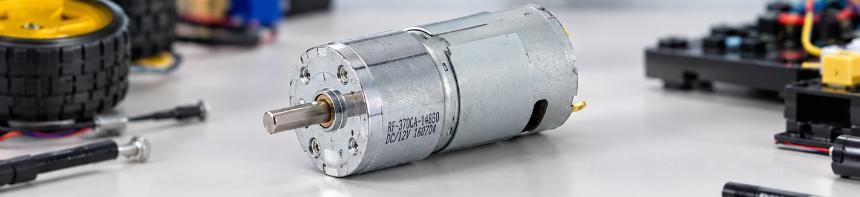

Low Speed DC Gear Motor: Applications, Gear Ratios and Selection Tips
Low Speed DC Gear Motor: Applications, Gear Ratios and Selection Tips
A DC gear motor with low RPM has a small size and High Torque, which consists of a direct-current motor and built-in gear reduction. These motors are ideal where precise control, strong operation, and dependability are concerned. Be it smart home applications, factory automation, or robotics, knowing the functionalities, how to chooseDC gear motors, and the working principles involved will enable you to meet your requirements.
What Is a Low Speed DC Gear Motor?
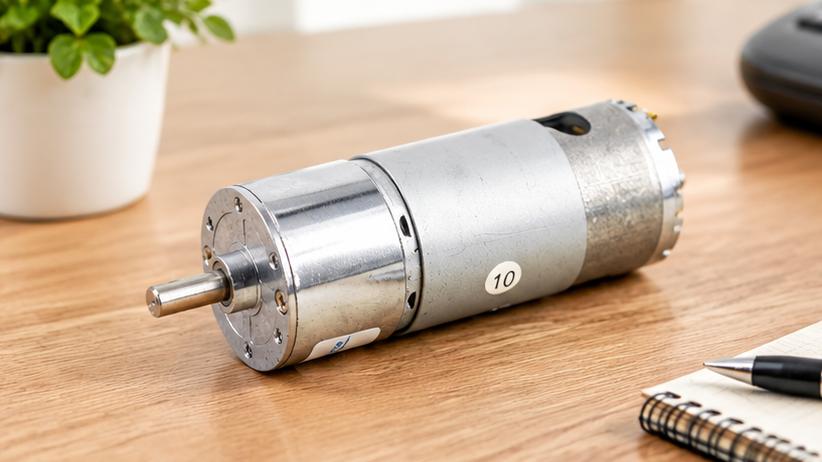
In the case of a low-speed DC gear motor, it consists of a Dc Motor that has been directly coupled to a gearbox. This means that instead of having the motor spin at high speeds, the motor is capable of providing a slower and more manageable output speed. Also, this feature allows for increased torque. Regular DC motors usually spin at a very high revolutions per minute (RPM), whereas geared motors can work with speeds of less than 1 RPM to hundreds of RPM depending on the selected gearbox ratio.
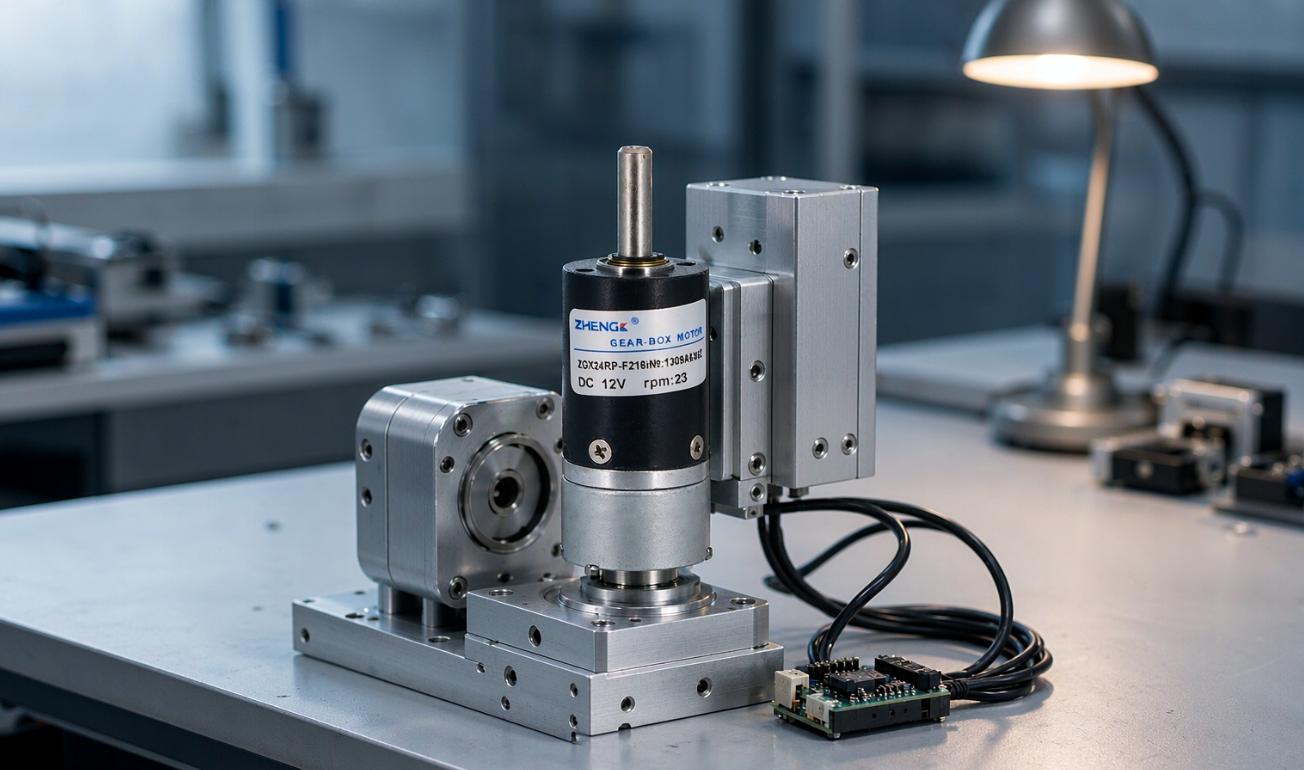
Various kinds are made available according to voltage and size, which include the low-speed 12-volt DC gear motors, the low-speed 24-volt DC gear motors, as well as the micro low-speed DC gear motors for use in portable devices and confined spaces. The many variations make it possible to cover all kinds of uses, thereby enabling it to be used in areas ranging from the industrial sector to consumer electronics.
Why Choose a Low Speed DC Gear Motor?
The primary driver for utilizing a low-speed DC gear motor is to produce specific speed and torque ranges that conventional DC motors cannot provide effectively. With the help of using a gearbox, we can achieve:
- Provide high torque output for moving heavy loads
- Maintain consistent speed and avoid overshooting or drift
- Fit into compact spaces thanks to the mechanical advantage of gearing
- Offer standard voltage compatibility, making wiring and integration straightforward
- Accept encoder options for accurate feedback and automated control
The benefits provided by these two types are essential for industries that require constant, consistent, and dependable use at slower speeds, including both precision production lines and smart items used daily.
Common Applications of Low Speed DC Gear Motors
Low-speed DC gear motors are often used in situations where one needs to manage motion slowly while at the same time exerting torque. The versatility of low-speed DC gear motors can be seen through their application in:
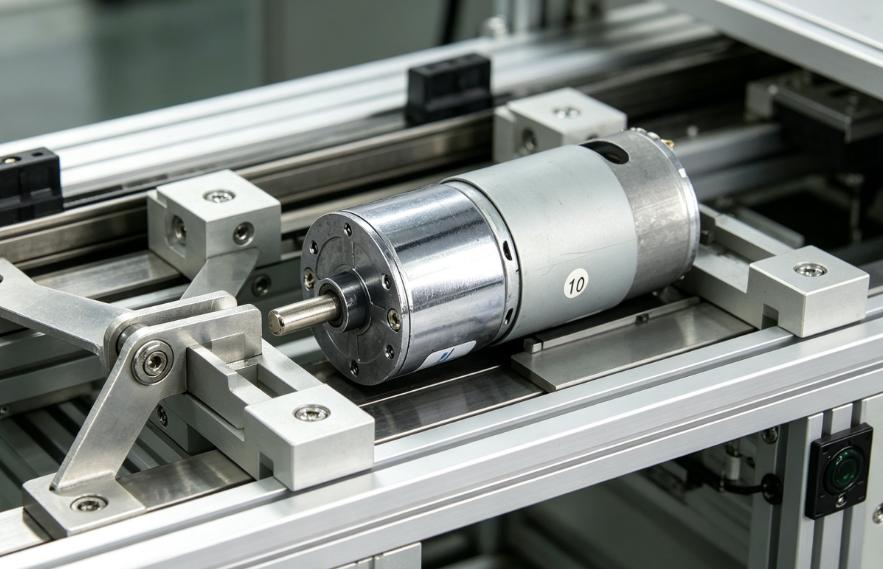
Automation Technology and Production: Conveyor systems, pick-and-place machines, and adjustable platforms make use of DC gear motors for the purpose of consistent and accurate operation. The motor's ability to carry large loads and function at constant speeds ensures smooth operation.
Robotic Systems: Mobile robots as well as robotic arms and grippers all rely on the constant movement and torque supplied by low-voltage DC gear motors. Encoded versions of the DC gear motor are used to provide positional feedback for closed-loop control operation that is key to robotics as well as AGVs.
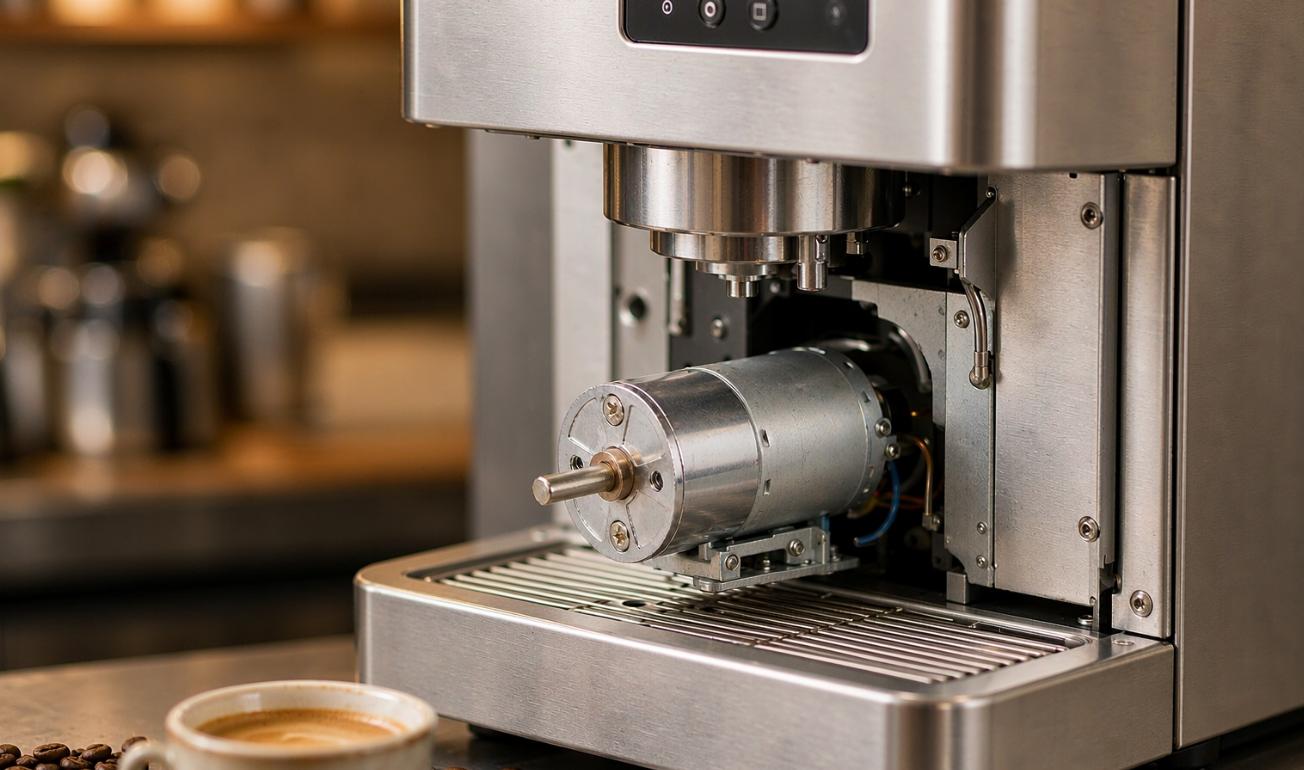
Smart Home appliances and office equipment: Smart window shades, unlock doors, height-adjustable comfort desks, and garage door openers use low-speed DC gear motors.
Control of the environment and solar systems: Automation features such as automatic vents, greenhouse equipment, and solar tracking equipment work with micro low-speed DC gear motors equipped with encoder feedback to ensure a gradual motion throughout the day.
Vehicle systems such as height-adjustable seats, mirrors, sunroof operation, and trunk lid opening rely on gear motor mechanisms and specific torque to operate properly.
Understanding Gear Ratios for Low-Speed DC Gear Motor
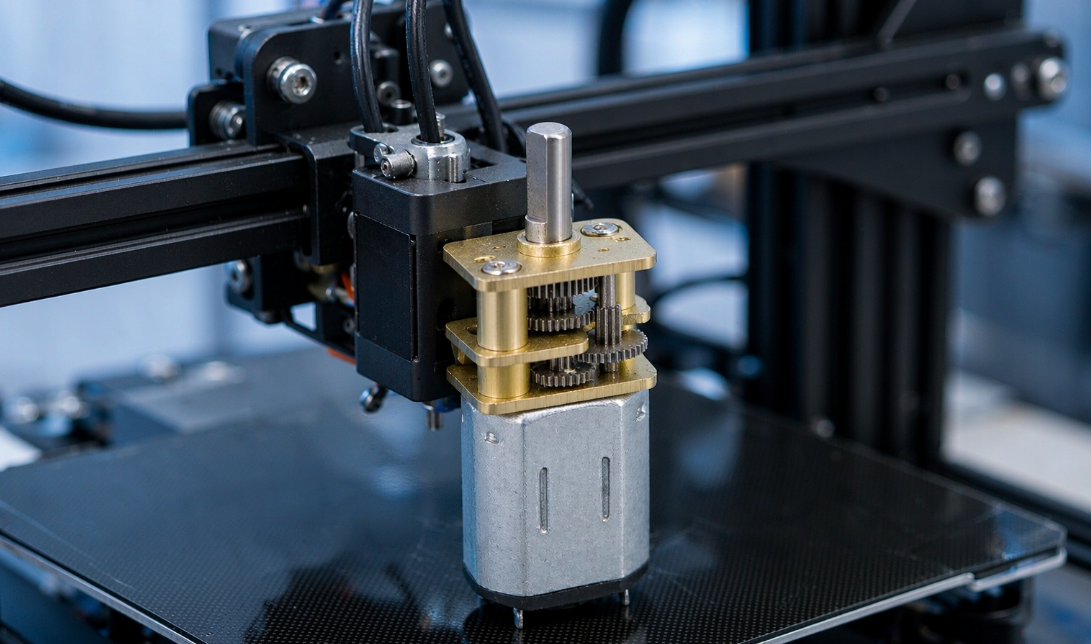
The gear ratio is the most crucial factor that determines how a low-speed DC gear motor operates. The gear ratio is nothing but the ratio of the speed of the original motor and the speed of the output shaft passing through the gearbox. When the gear ratio is high, the output speed is lower while the torque is higher.
For example, consider the case of a motor driving the gearbox at 3000 RPM that produces an output of 30 RPM with a gearbox ratio of 100:1 and torque that can be multiplied, with some torque loss due to friction in the gearbox. The optimum gearbox ratio ultimately depends on your requirement: if you need very slow movement but with enormous force, then the higher ratio works best for you. If you want rapid motion of your device with little force applied to it, then the lower gearbox ratio works best for you.
It is important to consider gear box efficiency and losses due to friction and backlash in high-ratio applications. To select the appropriate gear ratio for your application, refer to the datasheets and performance curves for the motors used.
Selection Guide: How to Pick the Right Low Speed DC Gear Motor
To select the right low-speed DC gear motor, you need to match your engineering specifications with the options available from low-speed DC gear motor vendors. Here is an easy checklist that can help you with this process:
1. Determine Output Torque and Speed:
To determine the torque required for your system, you will first need to know the greatest weight or force that is going to be moved and the required velocity that it needs to be moved at. The formula for torque is Torque (Nm) = Force (N) × Distance (m). You will need to consider the amount of friction in your calculation, as well as the acceleration.
2. Select Operating Voltage:
Find out what voltage the power supply needs to be when you order gear motors, so you can buy one that works for your purposes.
3. Choose Optimal Gear Ratio:
When determining the gear ratios possible with your motor, keep in mind that higher ratios translate to a lower velocity and, correspondingly, higher torque.
4. Match Physical Size:
Take into account the available product location. Low-speed DC micro gear motors are great for small appliances, while larger gear motors work best in manufacturing applications.
5. Confirm Duty Cycle Capability:
In case of applications experiencing continuous operation, use motors with a constant duty rating and designed to ensure safety from overheating.
6. Look for Optional Features:
If you need precise feedback or synchronization, choose a low-speed DC gear motor with an encoder. Check custom options if you need special mounting or shaft compatibility.
Choosing the correct technical match avoids expensive malfunctions, needless noise, and degradation; therefore, always follow the technical guidelines and seek clarification from your suppliers when necessary.
Low Speed DC Gear Motor vs. Standard DC Motor: What's the Difference?
Standard DC motors are designed for high-speed rotation, with speeds typically in the thousands of revolutions per minute. However, torque output is considerably lower at lower speeds with heavier loads. Therefore, in some applications, such as for driving fans or small pumps, standard motors are preferred owing to speed being of primary importance.
Low-speed DC gear motors incorporate gears to decrease their output speed while increasing their torque. This enables them to perform lifting, pushing, rotating loads, and holding loads in position without slipping or stalling efficiently. A gear motor of the same size as a regular motor can handle tasks that a normal DC motor is unable to do efficiently.
The latest advancement in gear motors consists of designing bespoke gear units specific to the application, such as planetary gears in existing gear motors.
Variants and Custom Options for Low Speed DC Gear Motors
Many varieties of low-speed DC gear motors are available to meet the unique technical specifications:
Voltage Preferences: Amongst all the voltage variants, probably the two most prevalent are low-voltage DC gear motors (speed 12v DC) and low voltage (speed 24v DC). In particular, micro-variants may have applications of as low as 3V or 5V in miniature applications.
Different Types of Gearboxes: Spur gearboxes provide compactness and lower costs. Planetary gearboxes are stronger for higher torque applications. Worm gear configurations are ideal for applications where a self-locking feature is needed (to prevent any unexpected movement).
Motor Feedback: Integrated encoder motors provide instantaneous feedback on position and speed. This data is particularly useful in automated production facilities and robotics.
Shaft and Mounting Configurations: With a variety of shaft configurations (e.g., D-shaft, round shaft, threaded) and mounting configurations available, integration can be made easier in different mechanized designs.
Furthermore, there exist adaptable solutions for harsh conditions or constricted areas; always be sure to verify and convey your needs to the producer.
Maintaining Low Speed DC Gear Motors for Longevity
Reliable operation over years depends on correct use, maintenance, and environmental protection:
Duty Cycle Management: Motors designed for 24-hour continuous operation have better bearing and heat management technology. Check specifications and pick the appropriate motor.
Lubrication & Cleaning: Typically, gearboxes need very little attention, as they tend to be sealed off. However, if in dusty or corrosive conditions, check for any faults on a regular basis. Clean the surfaces and refrain from putting too much weight on it.
Managing Mechanical Stress: The following steps should be taken to ensure that the gears do not get damaged; avoid frequent interruption, overload, and shocking movement such as abrupt start and stop.
Wiring for encoders should always be kept away from any electrical interference and moisture, as this may cause problems in the wires and sensors. Any cables used should be shielded.
High-quality gear motors, when applied within their specified limits, can operate for thousands of hours reliably, so that downtime and maintenance costs are kept to a minimum.
Frequently Asked Questions (FAQ)
Q: How to determine the necessary torque for low-speed DC gear motor selection?
A: Begin with the total weight (or force) that is to be moved, and then multiply this by the distance from the center axis (radius in meters) being used for the rotation of the system. Add a buffer for safety when it comes to unexpected loads and friction issues in operation. Confirm the maximum torque rating specified on the data sheets, opting for the continuous torque value in instances where application requires prolonged performance.
Q: Are Higher Gears Always Better When Working On Low Speed High Torque Applications?
A: While larger ratios will give you more torque, they will usually incur a loss in efficiency and possibly create more backlash in the gearbox. The trick is to select a gear ratio that meets your needs—no more than is necessary, since large gear reductions could cause you to lose efficiency.
Q: The effect of gear ratio on the performance of a low-speed DC gear motor
A: The gear ratio determines the tradeoff between speed and torque. A higher ratio will provide higher torque but slow speed. However, if the gear ratio is too high, it can cause the motor to operate inefficiently and not respond well. Therefore, it is important to use the lowest ratio that will accomplish your task effectively.
Q: Is an encoder option possible with low speed DC gear motors?
A: Yes, there are multiple models available equipped with encoders enabling position or speed feedback included in the automation, robotics, or control systems.
Q: Is it possible to have a low rpm DC gear motor working for a full day of 24 hours?
A: Certain gear motors have continuous duty ratings, but this is not true for all. In the market, one can find a host of gear motors that have continuous duty ratings. Ensuring proper cooling and confirming this with the manufacturer will enable you to pick the right one that meets the operational needs.
Tips for Integrating a Low-Speed DC Gear Motor in Your Project
Getting the best from a low-speed DC gear motor depends on precise installation and smart controls:
Ensure Correct Alignment: Keep the load centered and minimize sideways stresses on the motor shaft. Proper alignment prevents early bearing wear.
Choose the Right Controller: For adjustable speed, braking, or feedback, select a controller matched to your motor's voltage, current, and feedback options.
Protect Against Overloads: Use limit switches, current sensors, and temperature monitoring in critical or high-load applications to prevent damage.
Record Setup Details: Document motor specs, gear ratio, and expected loads for easy troubleshooting and future upgrades.
Careful planning and installation let you take full advantage of low speed DC gear motors, ensuring they perform smoothly and reliably in demanding environments.