
Can DC Planetary Motors Run Continuously at Rated Speed?
Introduction: Why Continuous Operation Matters for DC Planetary Motors
DC planetary motorsfind application in various industries like factory automation and robotics because of their compactness, High Torque, and efficiency. However, one question arises in this context whetherDC planetary motors can operate continuously at their rated speed. When you are designing a production line, creating a robotic system, or developing a special automated product, knowledge of what a DC planetary motor is capable of can help avert any future malfunction. The information in this article will provide you with the answers to the issue under consideration and some practical advice on the selection, testing, and operation of these motors.
What Is a DC Planetary Motor?
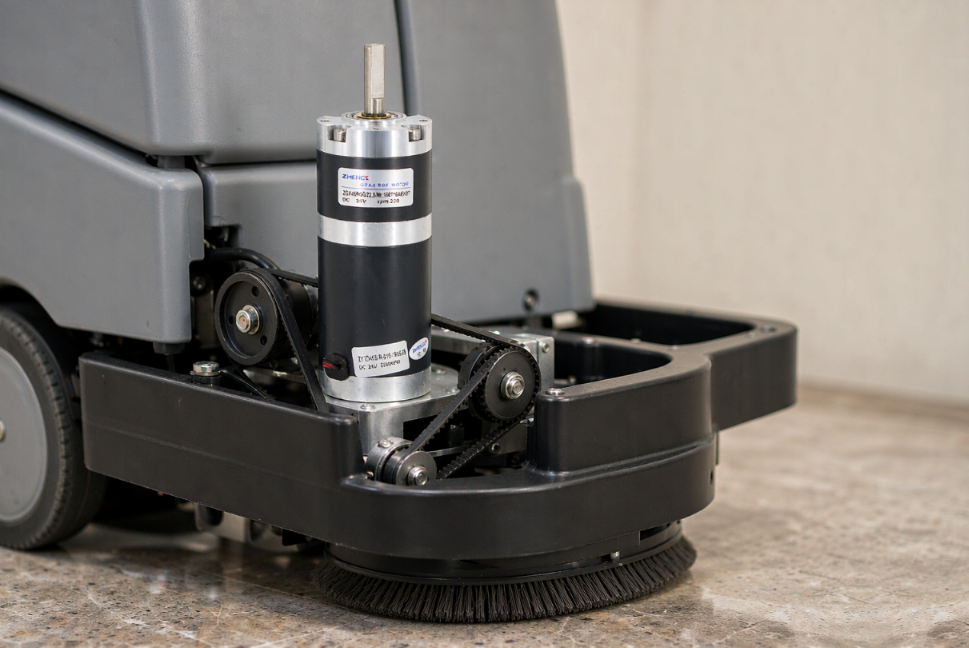
A DC planetary motor consists of a DC motor combined with a planetary gear system. The gear design allows the motor to produce high amounts of torque in a small unit and transmit power smoothly and effectively. If you work in narrow spaces or require fixed torque, this motor is your best shot.
Here's what you get with a DC planetary motor:
- High torque output for its size
- Stable speed and efficiency at various loads
- Durability, with fewer moving parts prone to wear
- Customization options for continuous or intermittent operation
Grasping the fundamentals helps in understanding why these motors are preferred in applications necessitating durability and reliability.
Rated Speed: What Does It Really Mean?
The expression rated speed frequently gets confused. Rated speed does not indicate how fast the motor can operate; rather it represents the speed for which the motor is specially designed to work effectively and safely under guaranteed load and voltage. The manufacturers would get this figure through tests conducted. It is considered the "ideal" rate of operation since it guarantees the correct operation of the motor, efficiency, and time of the motor functions.
In contrast, continuous duty means that the motor can run for much longer periods of time, at times 24 hours a day. The rated speed will explain what the motor is rated for under normal circumstances; however, this does not always suggest it can be operated at its full rated speed continuously. It is critical to understand both motor's rated speed and motor's long-term operation limits.
The Role of Duty Cycle: Continuous vs. Intermittent Use
One of the key concepts you'll come across is duty cycle. Duty cycle refers to the duration of operation of an electric motor before requiring cooling. If the designation of a motor is S1, then it is designed for continuous operation and can work indefinitely at the rated speed provided that the nominal operating conditions are strictly followed.
Certain duty cycles like S2 (short-term) as well as S3 (intermittent) emphasize that the corresponding motor needs breaks between work cycles. For example, a 30-minute S2 motor will allow 30 minutes of continuous operation. If you try to operate it continuously, be prepared for overheating or premature wear.
Planetary transmissions only complicate matters. They are very effective, but they generate extra heat that needs to be included in your thermal assessments. Always verify the duty cycle rating of your gearbox and motor if your intention is to run them continuously.
Heat Management and Continuous Working Temperature
When operating a DC planetary motor at high speed for a long time, heat is the greatest limiting factor. A motor can be perfectly capable of running continuously, but once the temperature exceeds an acceptable level, it becomes useless. It is important to note that most types of DC planetary motors are constructed in a way that allows them to work at a certain temperature that can vary between 80°C and 120°C depending on the type of insulation used and the way the motor is made.
To ensure your motor can run nonstop:
- Keep the ambient temperature within the specified limits
- Monitor and limit the motor's load to what's recommended
- Consider adding external cooling, like fans or heatsinks, for high-demand applications
- Check gearbox lubrication and maintenance schedules, especially for intensive duty
Performance in actual scenarios is closely related to heat management. As long as the motor does not overheat and stays in the range of specifications; it can guarantee continuous operation at full speed.
Checking If Your DC Planetary Motor Is Fit for Continuous Operation
Are you wondering how to tell if your DC planetary motor can handle continuous operation? You should start by examining the datasheet for duty cycles as well as temperature ratings. If the motor is rated as S1 (continuous), that's a good sign. In addition, look for indicators such as maximum continuous speed. If the manufacturer has provided graphs of the temperature increase over time, then it should be checked carefully.
You must also take into consideration the actual load and external factors affecting your motor. If the load is heavy and there are temperature differences and/or other conditions (humidity, dust, vibration) around, then either increase the cooling of the motor or choose a model that exceeds your needs.
Field tests may also be beneficial. Keep track of the temperature as you conduct the trials. If it's determined that the temperature is sufficiently below the upper limit established for the motor, operating the machine continuously is safe.
Application Examples: Where Continuous Operation Is Essential
Industries and applications vary, but some simply can't tolerate motor downtime:
Factory Automation: Conveyor systems usually operate all day and night, and it is very important to ensure that motors are properly sized and ventilated to prevent breakdowns.
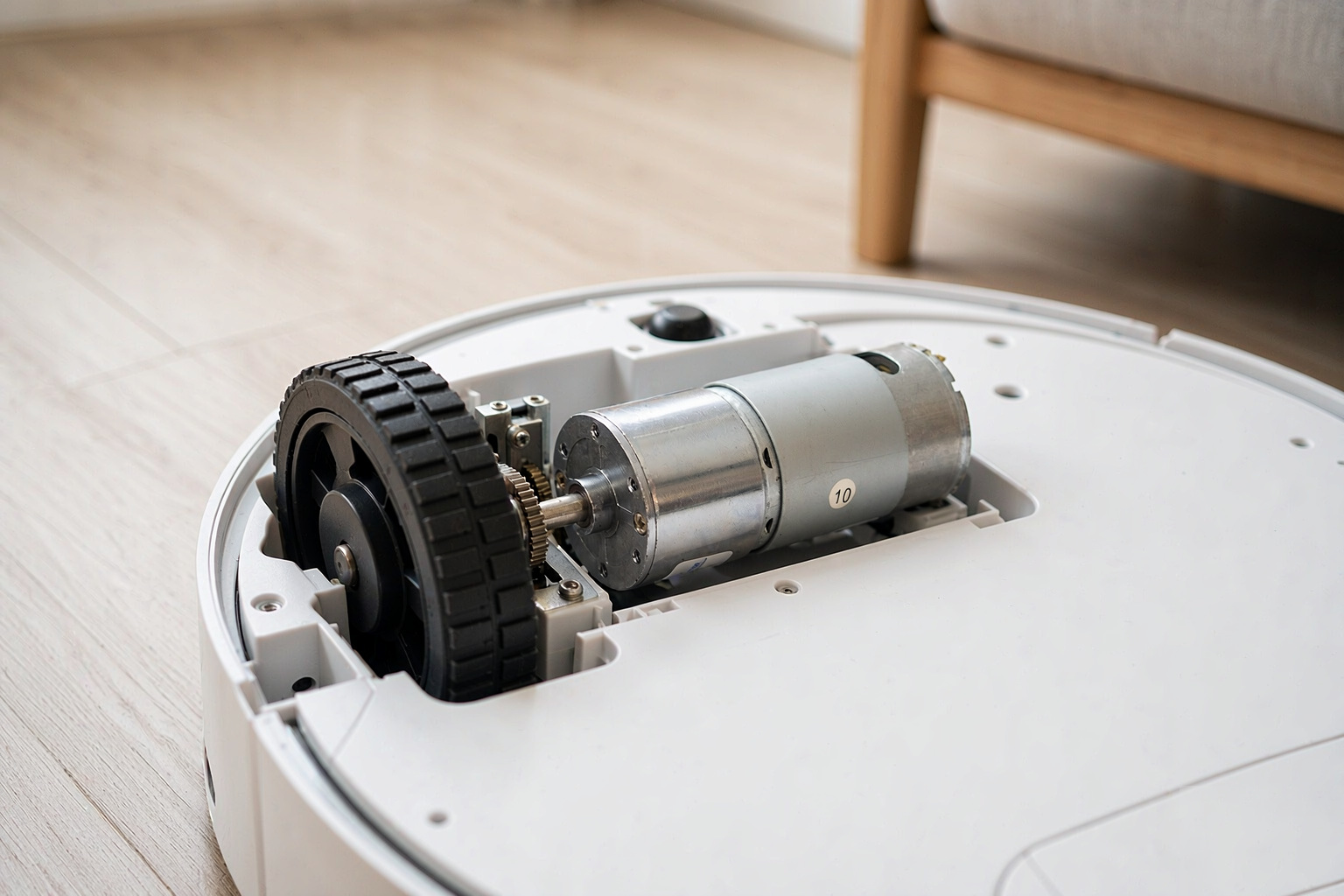
Robotics: Automated guided vehicles depend on a constant power supply that stays consistent over extended periods. Intervals in the operation are helpful for cooling purposes, but the duty cycle of the motors needs to be ambitious.
Medical Equipment: Instruments like pumps or imaging systems may be active nonstop for hours or days. In this case, the ability to predict device behavior and to handle heat generation is of utmost importance.
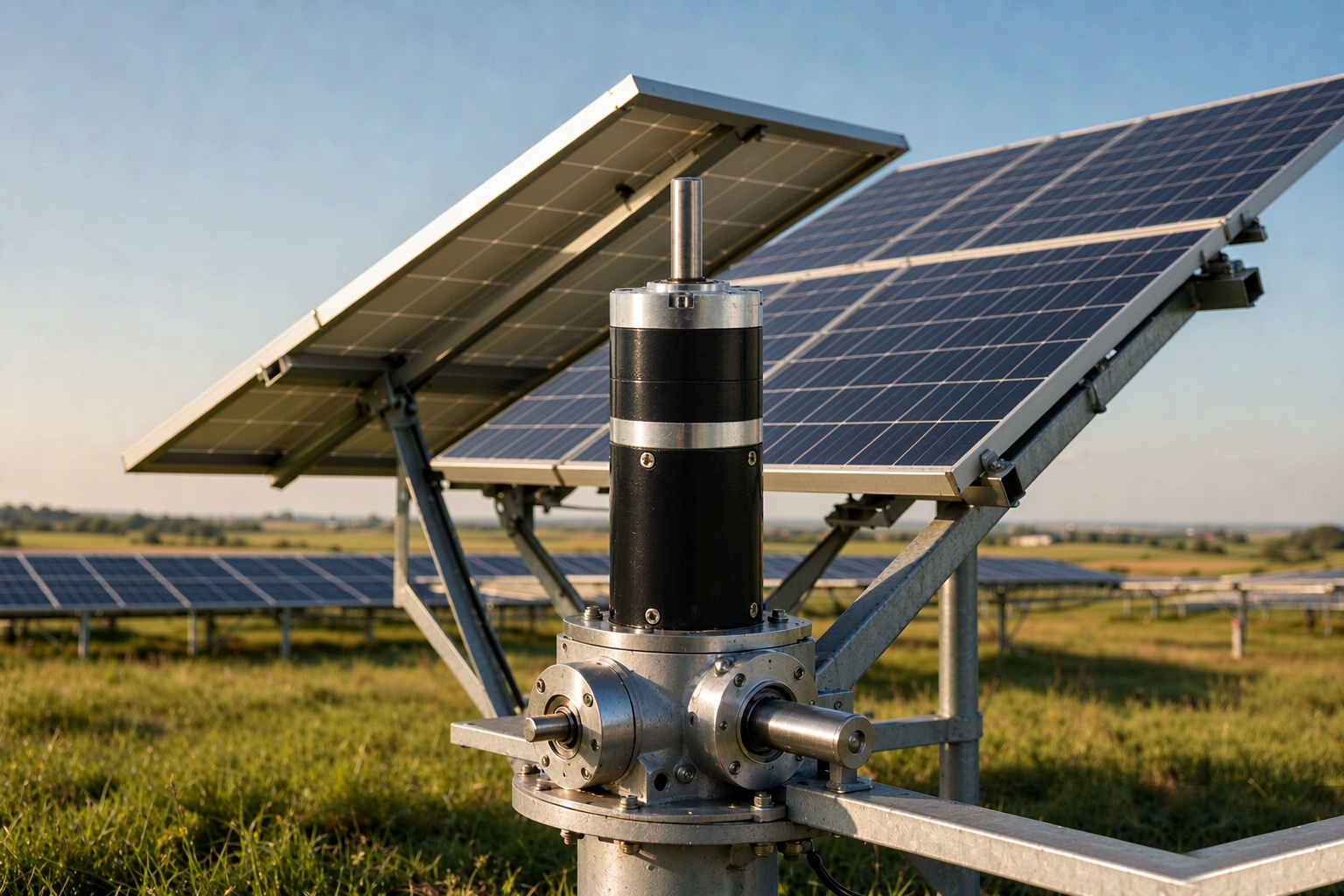
Clean Energy Systems: Solar trackers and wind turbine actuators have to operate under stable circumstances without risk of becoming too hot.
In such cases, it is vitally important to select the right power factor, to use cooling systems, and to monitor thermal efficiency.
FAQ
Q: What's the difference between rated speed and continuous speed for DC planetary motors?
A: The rated speed tells what is the best speed achievable by the motor with maximum load and voltage, designed for good performance and dependability. Continuous speed shows the actual speed at which the motor operates continuously achieving its thermal and mechanical limitations; in some cases, it may fall a little short from the rated speed depending on the application.
Q: Will a DC planetary motor overheat if it runs continuously at rated speed?
A: When the motor is classified as S1 (continuous duty) and sufficiently cooled, it shouldn't overheat. However, motors rated for short periods of time will overheat if run continuously. Always adhere to the specifications on duty cycles and cooling.
Q: What is the duty cycle of a standard DC planetary geared motor?
A: The duty cycles differ. In case of constant operation (24 hours a day), use the motors, which are rated S1. For S2 and S3-rated motors, operation should be done intermittently with regular breaks as indicated by the manufacturer.
Q: How do I know if my DC planetary motor supports 24-hour continuous operation?
A: Ensure that the duty rating is S1. Consult the temperature rise charts and performance curves provided by your manufacturer. If you are uncertain, consult with your supplier or carry out some practical tests.
Q: Is rated speed the maximum safe continuous operating speed?
A: There are cases, although not always. If the data sheet lists a separate "continuous speed," use this as a guide. Running slightly below the full rated speed in continuous applications is usually safer and prolongs the life of the motor.
How to Choose a DC Planetary Motor for Continuous Duty
In situations where trustworthiness is key, it is useful to be detailed. The following checklist simplifies the search for a suitable DC planetary motor for ongoing operations:
- Determine your application's torque, speed, and load requirements
- Confirm the duty cycle rating (look for S1 continuous)
- Review maximum operating temperature and cooling needs
- Ask manufacturers for test data or thermal performance curves
- Factor in extra cooling, if needed
- Schedule routine maintenance and monitor temperatures during operation
By following these steps, you avoid surprises and keep your system running for the long haul.
Continuous Operation Limits and Real-World Strategies
The best DC planetary motor has its limits. When steady speed receives a high load during long periods of time, it generates more heat compared to intermittent work. Thus, if a 24-hour operation is foreseen, it is recommended to oversize the motor or ensure adequate cooling. Careful monitoring of temperature, current, and gearbox condition should be performed constantly. In tough conditions, it is better to choose larger motors and systems with redundancy.
Utilizing intelligent integration, such as temperature monitoring technology, surveillance software, or distance diagnostics, can help detect problems sooner and prevent issues from taking place before they worsen.
Emerging Trends: Smarter, Cooler, More Reliable Motors
The technology utilized in DC planetary motors is constantly changing. Therefore, modern motors have advanced insulation technology, better cooling systems, and improved electronics. Many motors currently on the market come equipped with built-in temperature sensors and overcurrent protection systems. Some manufacturers even offer remote monitoring options that allow buyers to monitor the work of motors and intervene when issues arise without stopping processes.
In response to the increasing energy efficiency standards, manufacturers are manufacturing motors that operate in continuous duty more effectively. If you intend to keep your equipment running without interruption, it is wise to seek these additional features.
To choose a DC planetary motor that is ideal for long-term running at maximum speed, it is necessary to understand specifications as well as duty ratings, including paying special attention to temperature conditions. When properly chosen and installed, such motors can function effectively over long periods. Heat management for critical applications such as manufacturing and robotics is essential in order to fully benefit from DC planetary motors.