Electric Dc Motors are pretty much the backbone of so much of today’s tech stuff. They're the engines behind everything from your home appliances to electric cars. If you’ve seen reports from MarketsandMarkets, you might know that the global market for these motors is actually expected to hit around $24 billion by 2026—that’s largely thanks to the growing demand for energy-efficient tech. Pretty wild, right?
Now, these motors work by running on direct current, turning electrical power into mechanical motion. But here's the thing—how efficient they are really depends on how they're built and what they’re used for. For example, companies like Maxon Motor and Nidec make specialized solutions that really suit specific industries. Still, a lot of industries seem to overlook how much they could optimize their Electric Motors for better performance and efficiency.
Of course, it’s not all smooth sailing. There are some common hiccups, like overheating or limited lifespan, which can be frustrating. That’s why it’s so important to think about the total cost of ownership, not just the sticker price. Sometimes we lean towards performance over sustainability—like when we pick an electric motor for a vehicle, for instance, you can check out options [here](https://www.zhengke-motor.com/electric-motor-for-electric-vehicle)—but maybe that’s not always the best call in the long run. Figuring this stuff out can help us make smarter decisions and push innovation forward. Who knows what’s next if we start paying more attention, right?
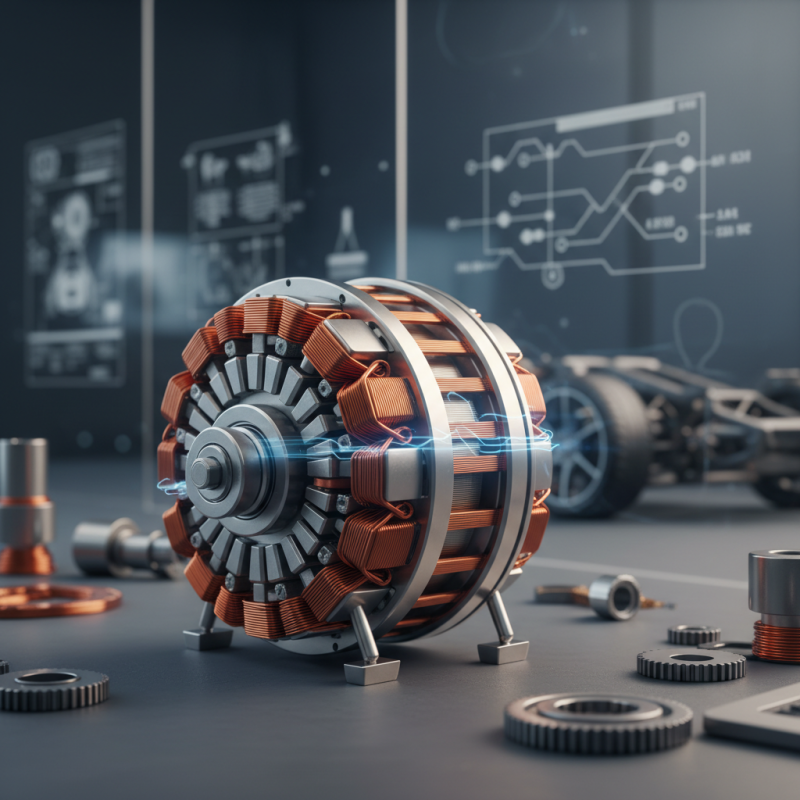
Definition of an Electric DC Motor
An electric DC motor is a device that converts direct current electrical energy into mechanical energy. These motors play a crucial role in many applications, from household devices to industrial machinery. According to a 2022 report by Research and Markets, the global DC motor market is expected to reach $8.5 billion by 2027, reflecting a compound annual growth rate of 6.5%. This growth indicates an increasing demand for efficient and reliable motors across various sectors.
The basic principle of a DC motor involves electromagnetic interactions. When current flows through the wire coils inside the motor, it creates a magnetic field. This magnetic field interacts with permanent magnets or the field winding, producing torque. The operation seems straightforward, yet it can be complex. Factors like load conditions, insulation, and thermal management impact performance. A study from IEEE highlights that nearly 22% of DC motor failures are linked to inadequate cooling and insulation breakdown.
Interestingly, while most users appreciate the simplicity of DC motors, many overlook their maintenance needs. Lack of routine checks can lead to unexpected failures. A 2023 survey revealed that up to 15% of electric motor failures could have been prevented with proper maintenance. Addressing this issue requires focus on not just design but also on the longevity and operational support of these motors.
Components of an Electric DC Motor
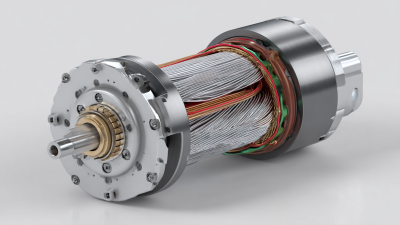
An electric DC motor comprises several key components, each playing a vital role in its operation. The armature, or rotor, is essential. It consists of a winding of insulated wire wrapped around a core. When current flows through this winding, a magnetic field generates, creating rotational motion. This motion is crucial for various applications, such as electric vehicles.
Another significant component is the commutator. It ensures that the direction of the current changes at the right moment, maintaining the motor's rotational direction. Poor commutation can lead to inefficient performance. Many studies indicate that improper alignment or wear can reduce motor efficiency by as much as 30%.
The stator provides a magnetic field against which the armature rotates. It can be constructed from permanent magnets or electromagnets. The choice of materials directly affects the motor's performance. Some reports suggest that using high-quality materials can boost efficiency significantly. For bulk needs, sourcing a Wholesale Electric Motor For Electric Vehicle can be an option for those seeking cost-effective solutions.
Understanding these components highlights the intricacies of electric DC motor design. Each element must work in harmony. Yet, common issues like overheating and wear can hinder overall functionality. Continuous improvement in motor technology remains essential.
Principle of Operation for Electric DC Motors
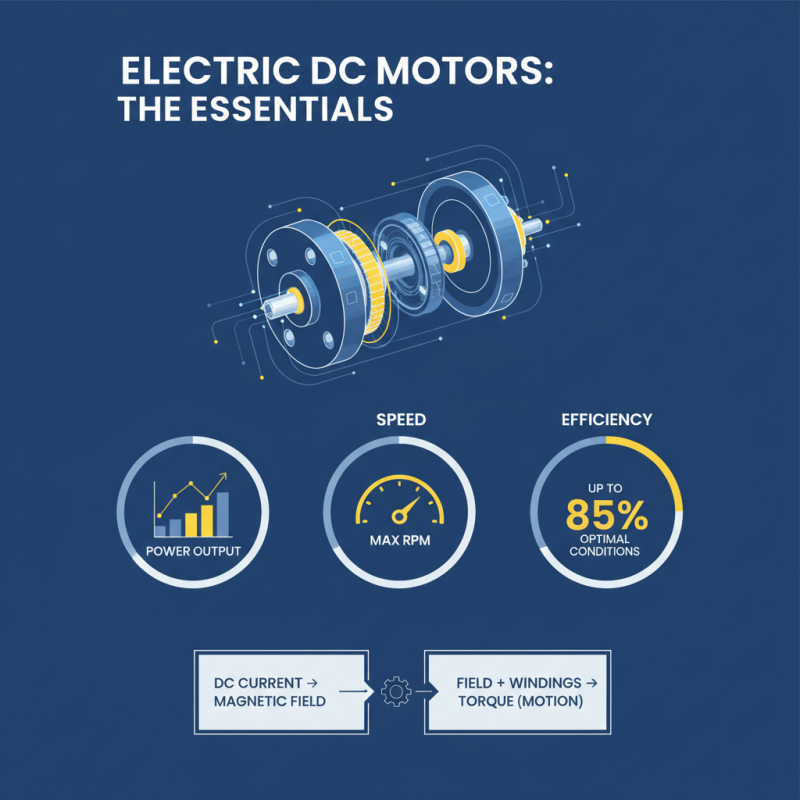
Electric DC motors are essential components in various applications, from household appliances to industrial machinery. Their operation relies on fundamental electromagnetic principles. When a direct current flows through the motor, it creates a magnetic field. This field interacts with the windings, generating torque that spins the rotor. Typically, the effectiveness of a DC motor is defined by certain parameters, like power output, speed, and efficiency. Reports suggest that DC motors can reach efficiencies of up to 85% under optimal conditions.
The commutation process is crucial in DC motors. It involves switching the current direction in the windings, enabling continuous rotation. This is achieved through a commutator, which can wear over time. Maintenance is necessary, but often overlooked. Research indicates that nearly 30% of motor failures are due to commutator wear. It's vital for users to regularly check this aspect to ensure longevity. Proper alignment and load handling also play significant roles in performance.
Data from industry reports highlights trends showing that the demand for high-efficiency DC motors is increasing. As energy costs rise, selecting motors with lower energy consumption becomes critical. Some estimates project that optimizing motor efficiency can lead to a 30% reduction in operational costs over time. However, awareness of the right motor type and its applications isn't universal. Many industries still deploy outdated models, leading to wasted energy and increased costs.
Types of Electric DC Motors and Their Applications
Electric DC motors are versatile machines used in many applications. There are several types, each serving different needs. Brushed DC motors are common. They have simple structures and are easy to control. However, they require regular maintenance due to wear on brushes. This can be a downside for some users.
Brushless DC motors are another option. They are more efficient and have a longer lifespan. This makes them suitable for high-performance equipment. A High-Quality Electric Motor For Electric Vehicle applications often falls into this category. Their reliability and efficiency are critical for automotive use. They allow for smoother operation and better energy management.
Stepper motors are also part of the DC motor family. They offer precise control over position and speed. Thus, they're preferred in robotics and automation applications. However, their torque can drop at high speeds. This limitation requires careful application design. Knowing the right motor type is essential for successful implementation in different projects. Choosing the right motor can make a significant difference.
What is an Electric DC Motor and How Does it Work? - Types of Electric DC Motors and Their Applications
| Motor Type | Description | Applications | Advantages | Disadvantages |
| Brushed DC Motor | Uses brushes and a commutator to deliver current to the motor windings. | Electric vehicles, power tools, appliances. | Simple construction, low cost, easy speed control. | Brush wear can cause maintenance issues, limited lifespan. |
| Brushless DC Motor | Uses electronic controllers instead of brushes for operation, leading to higher efficiency. | Computer cooling fans, drones, robotics. | Higher efficiency and reliability, quieter operation. | More complex control required, higher initial cost. |
| Series DC Motor | Field winding connected in series with the armature, producing high torque at low speeds. | Elevators, cranes, traction applications. | High starting torque, robust design. | Speed control can be challenging, less efficient under variable loads. |
| Shunt DC Motor | Field winding parallel to the armature, providing stable speed under varying loads. | Lathes, grinders, conveyors. | Stable speed performance, good for precision applications. | Lower starting torque compared to series motors. |
| Compound DC Motor | Combination of series and shunt windings, offering versatility in torque and speed. | Heavy machinery, industrial drives. | Flexibility in operation, good load handling. | More complex design, potentially higher cost. |
Advantages and Disadvantages of Electric DC Motors
Electric DC motors have various advantages that make them popular for many applications. They are simple in design and easy to operate. These motors provide good speed control, allowing for precise adjustments. This feature is essential in industries like robotics and automation. Additionally, they enjoy high efficiency, which leads to lower energy consumption. Their compact size also makes them suitable for limited spaces.
However, there are notable disadvantages to consider. Electric DC motors can be costly to maintain due to wear and tear on mechanical components. The brushes often require replacement, leading to increased downtime. Moreover, they may not perform well under heavy loads or extreme temperatures. This limitation can hinder their effectiveness in some environments. Despite these challenges, investing in a reliable option like Zhengke Electric Motor For Electric Vehicle can enhance performance and sustainability. This balance of pros and cons is crucial for decision-making.
Common Uses of Electric DC Motors in Technology
Electric DC motors play a vital role in various technologies. These motors are found in applications like electric vehicles, home appliances, and robotics. A report from the International Energy Agency highlights that DC motors will contribute to a projected market growth of over 10% annually in the automotive sector alone. This statistic underscores their importance in the shift towards more sustainable technologies.
In consumer electronics, Electric DC motors are used in items like fans and power tools. Their ability to provide precise speed control makes them ideal for these applications. Interestingly, a study by the National Renewable Energy Laboratory shows that nearly 30% of household energy consumption comes from appliances utilizing DC motors. This high percentage indicates an opportunity to improve energy efficiency further, yet many devices still operate on outdated motor technology.
Robotics also heavily depends on Electric DC motors. They provide the motion necessary for various robotic functions. This reliance raises questions about durability and performance. Many designs require frequent maintenance, which can lead to increased downtime. Data from industry experts suggest that developing more robust systems could alleviate these issues. However, balancing performance and cost remains a challenge.
Maintenance and Troubleshooting of Electric DC Motors
Electric DC motors are popular in various applications due to their simplicity and efficiency. However, maintaining them is crucial for optimal performance. Regular checks should include inspecting the brushes and commutator. Worn brushes can lead to poor performance. If the motor sounds unusual, it might require immediate attention.
Common issues include overheating and inconsistent speed. Overheating can often be due to overloading. Ensure the motor operates within its rated load. If you notice speed fluctuations, check for mechanical obstructions or electrical issues. Lubrication of bearings is essential. However, over-lubrication can cause more problems than it solves.
Troubleshooting should start with a visual inspection. Look for debris and loose connections. Sometimes, a simple cleaning can restore functionality. Using a multimeter can help detect electrical faults. If the problem persists, consider consulting a professional. Remember, neglecting minor issues can lead to major failures. Regular maintenance prevents unexpected breakdowns.
Unlocking Precision: Integrating the ZGB102FGG PMDC Brushed Motor for Enhanced Performance in Electromedical Equipment
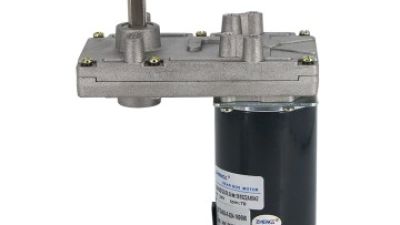
The ZGB102FGG PMDC Brushed Motor stands out as a pivotal component in enhancing the precision and performance of electromedical equipment. Integrated with a ZYTD-45S motor type, this motor operates efficiently within a voltage range of 12V to 24V, providing versatility for various medical applications. Its power output spans from 10W to 30W, ensuring sufficient energy for tasks that require reliability and consistent performance in sensitive environments.
Additionally, the spur gearbox coupled with this motor contributes significantly to its operational capability. With gear ratios available from 1/16.4 to 1/490, the ZGB102FGG offers flexibility in speed and torque settings, essential for individualized medical treatments and procedures. By unlocking precision through this motor integration, manufacturers can enhance the responsiveness and accuracy of electromedical devices, ultimately contributing to better patient outcomes and improved operational efficiency in healthcare settings.
FAQS
: The service aims to provide users with convenient solutions for everyday tasks.
Users can easily access it through the website or mobile application.
Some features may require payment, while others are free.
Yes, it works in various locations, but availability may vary.
Users should contact support for assistance with any technical problems.
A guide is available on the website, but it could be clearer.
Yes, feedback is encouraged to improve the user experience.
Use the password recovery option available on the login page.
Users can update their details in the account settings section.
User data is protected, but there is always room for improvement in security measures.
Conclusion
Electric DC motors are essential components in various applications, converting direct current electrical energy into mechanical energy. These motors consist of key components such as a stator, rotor, commutator, and brushes that work together to produce motion. The principle of operation is based on the interaction of magnetic fields generated by current flowing through the rotor.
There are several types of Electric DC motors, including brushed and brushless variants, each suited for specific uses such as robotics, automotive systems, and industrial machinery. While they offer advantages such as simplicity and ease of control, common disadvantages include maintenance requirements due to wear on brushes. Regular maintenance and troubleshooting are crucial to ensure optimal performance. Overall, Electric DC motors play a vital role in modern technology, driving countless devices and systems.