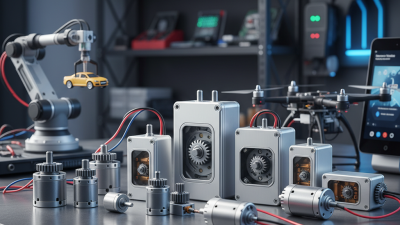
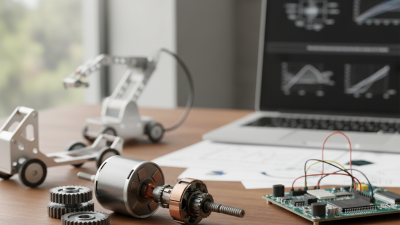
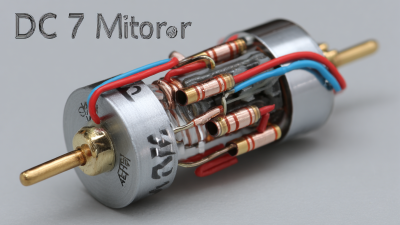
When you're starting a project, picking out the right components can really make or break things. Take a 12v DC Gear Motor, for example — it’s pretty popular for a bunch of different uses. One of the things that makes it stand out is how efficient it is with energy. Plus, it’s small but still packs a punch, so you can squeeze it into tight spots without losing performance.
That said, not every project is the same, right? Some folks might just toss in a motor and forget about routine maintenance. But honestly, giving it a quick check now and then can really help it last longer. Skipping that? Well, performance might start to suffer over time.
What’s cool about a 12v Dc Gear Motor is how versatile it is. It’s used to power everything from simple robots to bigger, more complex machines. Because it’s so adaptable, it’s often the first pick for engineers and hobbyists alike. Just one thing — make sure you really get the specs down: torque, speed, size, all that. Knowing what you’re working with is key before jumping in.
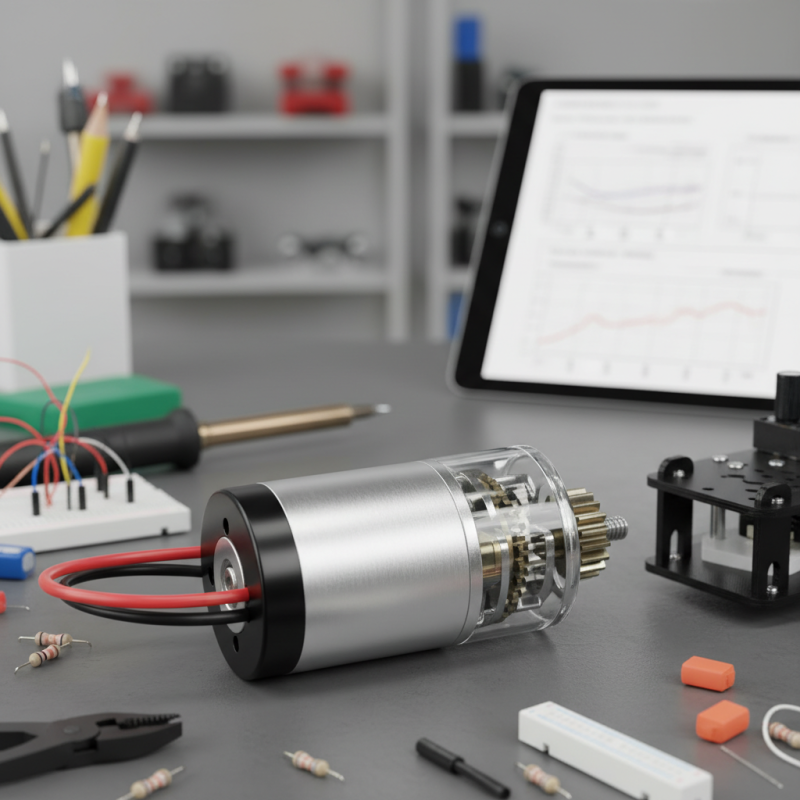
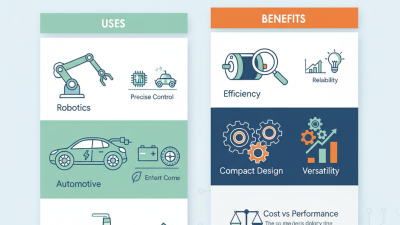
The 12v Gear Motoris a popular choice for many projects. Its compact design allows for easy integration into various systems. The versatility of this motor makes it suitable for robotics, automotive, and industrial applications. According to recent industry reports, about 45% of small-scale robotics use a 12v Gear Motor due to its efficiency and power.
One key advantage of the 12v gear motor is its high torque output at lower speeds. This feature is essential in applications like robotics, where precision is crucial. Studies show that motors with gear reductions can provide a torque increase of up to 50%. This means a small motor can handle larger loads without consuming excessive power. However, there can be drawbacks. Gears may wear out over time, which could lead to decreased performance. Users need to consider regular maintenance.
Another benefit is the relatively low power consumption. A 12v gear motor can operate efficiently even under heavy loads. Some systems report energy savings of up to 30% when using these motors. However, it's worth noting that selecting the wrong motor size may result in unsatisfactory performance. Users should evaluate their project's specific requirements to avoid such issues with the 12v gear motor.
| Application | Advantages | Torque Range (Nm) | Speed (RPM) | Power Rating (W) |
|---|---|---|---|---|
| Robotics | High efficiency and precise speed control | 0.2 - 5.0 | 30 - 300 | 6 - 60 |
| Conveyor Systems | Consistent power output for heavy loads | 0.5 - 10.0 | 20 - 150 | 10 - 100 |
| Automated Doors | Smooth operation with low noise | 0.1 - 3.0 | 20 - 100 | 5 - 25 |
| RC Vehicles | High torque for better performance | 0.3 - 4.0 | 50 - 200 | 7 - 40 |
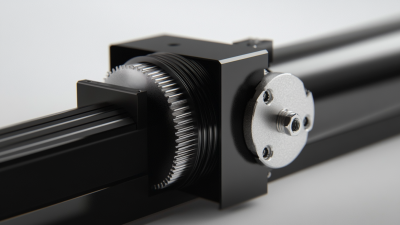
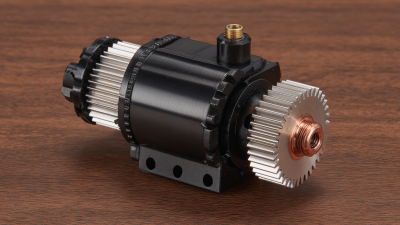
When delving into DC gear motors, one must grasp their structure. These motors typically consist of a DC motor and a gearbox. The motor generates rotary motion. The gearbox modifies this motion, enhancing torque and reducing speed. This adjustment is crucial for many applications. A small motor may not achieve the desired force alone.
The performance of a DC gear motor relies on its components. By choosing appropriate gear ratios, efficiency can either improve or decline. The material used in gears affects durability. Plastic gears are lightweight but may wear out. Metal gears last longer but add weight. Balancing these factors is essential for overall project success.
Understanding the electrical specifications is equally important. Voltage ratings dictate power requirements. Overloading a motor can lead to burnout. It’s vital to select a motor that fits the project’s demands. However, this isn’t always straightforward. You may need to test different configurations. Each trial provides valuable learning experiences, highlighting the importance of practical experimentation.
When considering power management in your project, the efficiency of a 12v DC gear motor is crucial. These motors provide optimal torque at lower speeds, making them suitable for various applications. They are widely used in robotics, automation, and small machinery. By using a gearbox, these motors can amplify torque. A small motor can drive heavier loads effectively. This efficiency reduces energy consumption and heat production, extending the motor's life.
Power management revolves around balancing speed and torque. Users must consider how much load they want to drive. A well-selected 12v Motor With Gear can handle significant tasks without overwhelming the system. However, if the motor is overloaded, it could lead to inefficiencies or even damage. While planning, you’ll want to calculate the required power output and confirm the motor can meet those demands.
Noise and vibration can also affect overall performance. Poor alignment or excessive loads may cause the gear motor to operate noisily. Examine installation conditions closely. Also, consider maintenance needs. Regular checks can prevent minor issues from becoming significant failures. Choosing the right 12v motor with gear is not just about specs. It's about thoughtful integration into your project.
When selecting a 12v DC gear motor for your project, consider torque and speed. The right balance is crucial for performance. Think about the load you need to move. More torque is necessary for heavier items. Too much power can lead to wasted energy.
For precise applications, gear ratios matter. A higher gear ratio will decrease speed but increase torque. This trade-off can affect your results. Choosing the wrong gear ratio can lead to failures. Test different configurations before finalizing your choice.
Tips: Always check the motor's datasheet for specifications. This document holds essential details. Do not skip this step! Additionally, consider the environment. Will the motor face wet or dusty conditions? Dust and moisture can affect performance. Keeping these factors in mind will improve your choice.
12v DC gear motors are widely used in various engineering applications. Their compact size and efficiency make them suitable for robotics, automotive systems, and automation equipment. A report from Global Market Insights states that the demand for gear motors is expected to grow significantly, with a compound annual growth rate (CAGR) of over 5% by 2026.
In robotics, 12v Dc Gear Reduction Motors provide precise control and high torque output. This is crucial for applications like drone propulsion systems and robotic arms. The ability to customize gear ratios through extensive testing allows engineers to optimize performance in different scenarios. However, choosing the right gear ratio can be complex and may require iterative prototyping.
Automated machinery also benefits from these motors. They are often used in conveyor systems and material handling equipment. The torque produced by a 12v DC gear reduction motor can significantly enhance speed and efficiency. Yet, engineers must be cautious about overheating and wear. Regular analysis and monitoring of motor performance data can help identify potential issues in real-time, ensuring reliable operation in demanding environments.
When installing a 12v DC gear motor, correct alignment is critical. Misalignment can lead to increased wear and reduced efficiency. It's important to align the motor shaft with the connecting gears. Use a laser alignment tool for precision. A report from the Electric Motor Education Foundation states that misalignment can reduce motor lifespan by up to 50%. This can be expensive in long-term projects.
Maintenance is equally crucial. Regularly check the lubrication of your 12v Dc Metal Gear Motor. Inadequate lubrication can result in overheating or stalling. Experts recommend using a high-quality grease that is suited for gear systems. Additionally, ensure that the electrical connections are secure. Loose connections can cause intermittent operation and can even damage the motor.
Cleaning is often overlooked. Dust buildup can cause overheating. A simple cleaning routine can prolong your gearbox’s life. Ensure that components are not only functional but also tidy. Neglecting these details can lead to more significant issues down the line. An industry report indicated that 30% of gear motor failures are due to lack of maintenance. It's a reminder that attention to detail is vital for optimal performance.
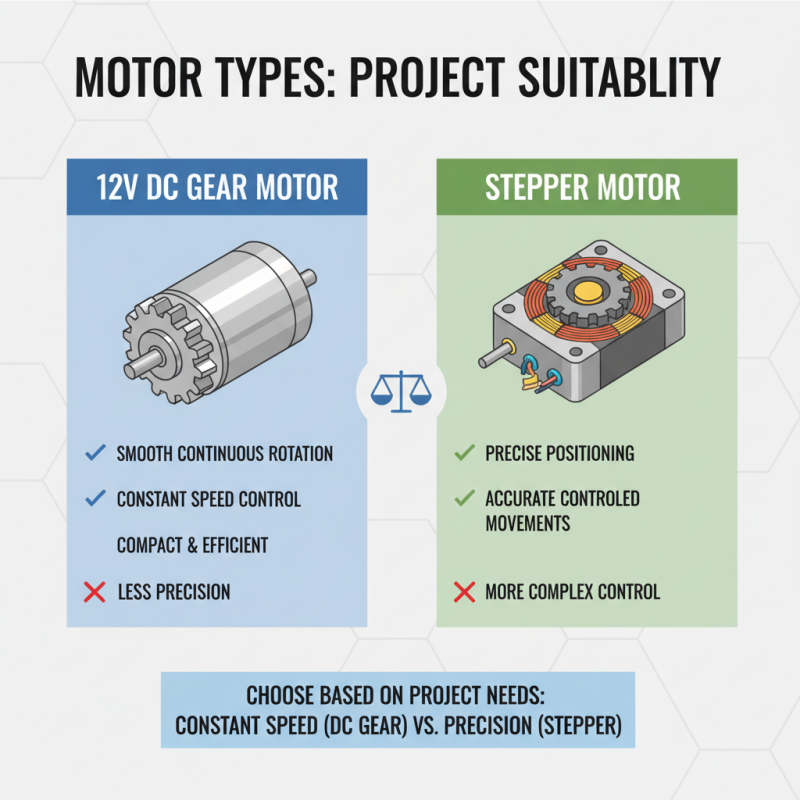
When considering motor options for your project, a 12v DC gear motor stands out. Its compact size and efficiency make it a popular choice. Compared to stepper motors, DC gear motors offer smoother continuous rotation. They excel in applications requiring constant speed control. However, they may lack precision in positioning. This can be a drawback for certain tasks.
Another alternative is the AC motor. While AC motors are powerful, they are less flexible than their DC counterparts. AC motors need a power source that matches voltage requirements, adding complexity. In contrast, 12v DC gear motors often run directly from batteries. This feature makes them ideal for portable devices. Yet, pay attention to the voltage drop which can impact performance.
Considering all motor types, weigh the pros and cons carefully. Look at your project's needs. The splendor of a 12v DC gear motor lies in its adaptability. It might not be the best for every application, but it shines in many scenarios. Explore its capabilities before finalizing your choice.
: A 12v DC gear motor is commonly used in robotics, automotive systems, and various industrial applications.
It offers high torque at lower speeds, compact design, and relatively low power consumption, making it versatile.
Gear reductions in the motor can provide a torque increase of up to 50%, allowing it to handle larger loads.
Gears may wear out over time, affecting performance. Regular maintenance is necessary to keep them functioning well.
Selecting the wrong motor size can lead to poor performance. Assessing specific project needs is crucial before choosing one.
DC gear motors provide smoother continuous rotation but may lack precision in positioning compared to stepper motors.
Plastic gears are lightweight but wear out quicker. Metal gears last longer but add heft. Balance is key for durability.
Yes, voltage drops can impact performance. It’s essential to monitor voltage levels in your setup for optimal operation.
Not always. Testing different configurations is often necessary to find the best fit for your requirements.
Each trial can reveal insights into motor behavior, helping refine choices and approaches for specific projects.
The article "Why Choose a 12v DC Gear Motor for Your Project?" highlights the numerous advantages of this type of motor in a variety of engineering applications. With a focus on their efficiency and power management capabilities, 12v DC gear motors are ideal for projects that require reliable performance and precise control. The article explores the fundamental components of DC gear motors, offering insights on how to choose the right model based on specific project needs and common applications such as robotics, automation, and vehicle systems.
Additionally, it provides valuable tips on installation and maintenance, ensuring optimal operation and longevity of the motors. A comparative analysis with other motor types underscores the suitability of 12v DC gear motors for various tasks, making them a preferred choice for engineers and hobbyists alike. Overall, the article serves as a comprehensive guide for anyone considering the integration of a 12v DC gear motor into their projects.