In today’s world of industry, picking the right motor is pretty crucial if you want things to run smoothly and efficiently. Various Types Of Dc Motors are everywhere—think robotics, cars, you name it. Knowing the differences between these motors can really help manufacturers make smarter choices and avoid headaches down the line.
Big-name brands like Maxon, Oriental Motor, and Bldc Motor use top-notch materials to craft their products. They’re designed to meet a whole bunch of needs across different industries. But here’s the catch—finding a reliable wholesale supplier isn’t always a walk in the park. Some suppliers aren’t as transparent as we’d like, which can make the decision more confusing. Focusing on quality assurance is super important so you don’t end up dealing with unexpected failures.
Plus, the performance of a DC motor totally depends on its specs and what it’s capable of doing. When you’re shopping around, you’ve gotta think about things like torque, speed, and power. Every project or application might need a different kind of motor to match its particular requirements. And keep in mind, not all suppliers deliver the same quality, so a little careful research is worth it. Sometimes, choosing the wrong partner can lead to costly mistakes. Looking back at past decisions helps us learn and make better choices next time.
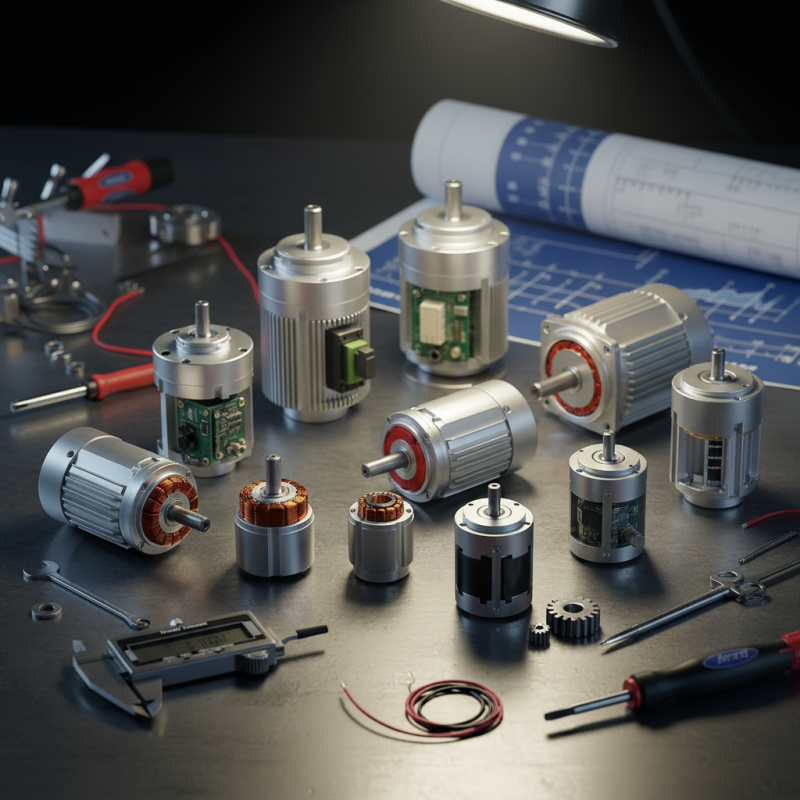
DC motors are essential components in various applications. They convert electrical energy into mechanical energy. Understanding their types can help in choosing the right motor for specific needs. There are two primary types: brushed and brushless. Brushed Motors are simpler and often cheaper. Brushless motors, however, provide higher efficiency and longer lifespans.
In practical applications, DC motors are used in robotics, fan systems, and electric vehicles. The choice of motor impacts performance. For instance, using a lower quality motor in a high-demand application can lead to overheating and failure. Always consider load requirements and environmental conditions.
Tips: Evaluate your project’s specific needs. Assess the space for installation. Ensure the motor can handle the required torque. Regular maintenance can extend the motor’s life. Remember, selecting the right DC motor is crucial for optimal performance. Sometimes, trial and error may be necessary to find the best fit.
| Motor Type | Voltage (V) | Power (W) | Torque (Nm) | Speed (RPM) | Application |
|---|---|---|---|---|---|
| Permanent Magnet | 12 | 30 | 0.2 | 3000 | Robotics |
| Brushed DC Motor | 24 | 50 | 0.4 | 1800 | Industrial Equipment |
| Coreless DC Motor | 6 | 15 | 0.1 | 5000 | Drones |
| Brushless DC Motor | 48 | 200 | 1.0 | 12000 | Electric Vehicles |
| Stepper Motor | 12 | 25 | 0.3 | 1200 | 3D Printers |
| High Torque Motor | 24 | 100 | 0.6 | 600 | Automation |
| Geared DC Motor | 12 | 20 | 0.3 | 450 | Conveyor Systems |
| High-Speed Motor | 36 | 90 | 0.5 | 8000 | Fans and Blowers |
| Mini DC Motor | 3 | 5 | 0.02 | 20000 | Toys |
| Linear DC Motor | 24 | 80 | 1.5 | 300 | Medical Devices |
When selecting a DC motor, you need to consider several key features. One crucial aspect is the motor’s voltage rating. It determines how much power the motor can get. Choose a voltage that suits your application. Also, look at the speed range. Some applications need motors that can spin quickly. Others require precise control at lower speeds.
Torque is another important factor. High torque motors can handle heavy loads, while low torque motors are efficient for lighter tasks. Make sure to check the torque specifications. Efficiency is critical too. A motor with high efficiency saves energy and reduces operational costs.
Tips: Always evaluate the physical size. A small motor won't fit into tight spaces. Consider the mounting options as well. Improper mounting can lead to vibration and wear. Finally, different applications may have unique requirements. Reflect on your specific needs before making a decision.
This chart illustrates the performance characteristics of various high-quality DC motors based on their rated voltage and torque output. Selecting the right DC motor depends on factors such as required voltage, torque, and application suitability.
When it comes to industrial applications, selecting the right DC motor is crucial. These motors power various equipment, from conveyor belts to pumps. The efficiency and reliability of Wholesale Various Types Of Dc Motors can significantly impact productivity. For example, a high-quality motor can enhance the performance of machinery, reducing downtime and maintenance costs.
Many manufacturers offer a range of DC motors suitable for different applications. Some motors are designed for high torque, ideal for heavy lifting tasks. Others focus on speed, perfect for precision equipment. Choosing the best motor can be challenging. It’s important to consider the specific requirements of each application. Factors like voltage, size, and load capacity matter. Often, the wrong choice can lead to inefficiencies or even equipment failure.
Despite the available options, not all motors meet industrial standards. Some may lack durability or energy efficiency. Careful selection is necessary. Buyers should research specifications thoroughly. Testing a few options before bulk purchasing can prevent costly mistakes. The right wholesale various types of DC motors can make a world of difference in operational success.
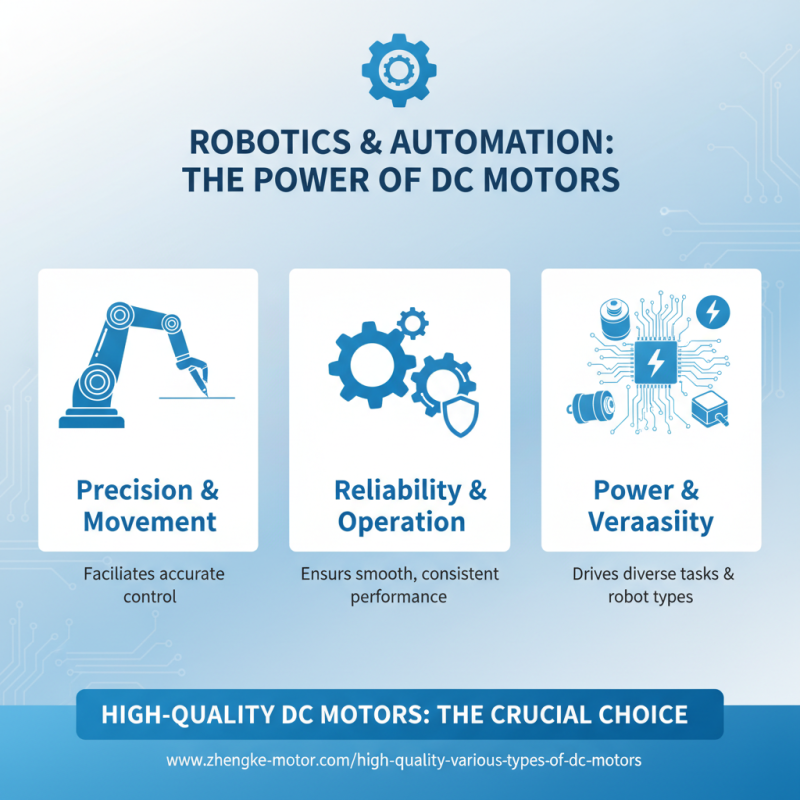
When it comes to robotics and automation, choosing the right DC motors is crucial. High-quality DC motors play a vital role in ensuring smooth operation and reliability. These motors facilitate precise movements and provide the power needed for various tasks. In robotics, incorporating High-Quality Various Types Of Dc Motors can enhance performance significantly.
Consider the torque and speed requirements for your application. Too much torque can lead to overheating, while too little can hinder functionality. It's essential to analyze your needs carefully. For example, small robots may benefit from compact, lightweight motors. On the other hand, larger systems may require heavier-duty options. Balancing power and efficiency can be challenging.
Moreover, evaluating the reliability of the motor is important. Low-quality motors often lead to frequent malfunctions. This can waste time and resources. Investing in high-quality various types of DC motors minimizes these risks. Remember, quality often costs more upfront but can save you from future headaches. Take the time to reflect on motor specifications to ensure optimal performance.
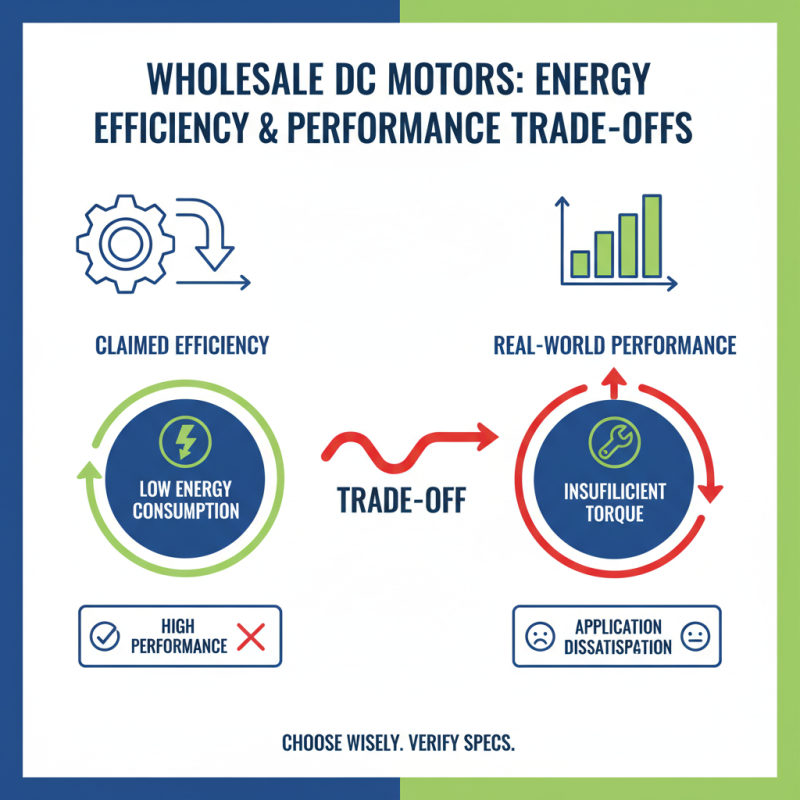
When choosing wholesale DC motors, energy efficiency is crucial. Many models claim high performance, but not all live up to expectations. A motor may consume less energy but might not deliver the torque needed for specific applications. This trade-off often leads to dissatisfaction.
Performance metrics need scrutiny. Look closely at the specifications. Some motors may have high RPM ratings yet lack reliability under load. Weight and size also matter; a compact motor can save space but may require additional power for peak performance.
Investing in quality means understanding your specific needs. Not every high-rated motor is suitable for every application. For instance, a mid-range motor may outperform a premium one in a different context. It's important to consider long-term efficiency over time. Make informed choices based on real-world applications, not just specifications on paper.
When sourcing wholesale DC motors, several critical factors come into play. A study by MarketsandMarkets reveals that the global DC motor market is projected to reach $23.1 billion by 2026, growing at a CAGR of 6.8%. This growth highlights the increasing demand across multiple industries, from automotive to consumer electronics.
Quality assurance is essential. Buyers must evaluate manufacturing standards and materials. A report from Grand View Research emphasizes that motors with high-quality components endure longer and perform better. Poorly sourced motors may lead to operational failures, resulting in costly downtime. Notably, Zhengke Various Types Of Dc Motors provide options that cater to diverse applications, offering customization for varying performance needs.
Moreover, understanding the supply chain is crucial. Reliable suppliers can ensure timely deliveries. However, challenges such as geopolitical tensions or supply shortages may disrupt access to essential components. Keeping an eye on trends can help mitigate risks. Conducting thorough supplier audits and maintaining strong communication is necessary to ensure that the motors meet specified quality and performance criteria.
As the demand for efficiency and versatility grows, so does the technology behind DC motors. Future trends indicate a shift toward more compact designs. These designs enhance power-to-weight ratios significantly. New materials like advanced composites are being tested, which could further reduce weight. Smart technologies are also gaining momentum. These innovations enable real-time monitoring and control. Such features increase performance and longevity.
In an evolving market, understanding needs is crucial. Selecting the right type of motor can impact overall performance. When you choose a supplier, consider their range. Various Types Of Dc Motors Supplier offer options suited for specific applications. Customization is another trend. Clients now seek motors tailored to their specifications. This trend reflects a broader shift toward personalized solutions in manufacturing.
Tips: Always check for compatibility with existing systems. Testing under actual conditions can reveal issues not seen in lab settings. Continuous learning about new technologies is vital. Embrace the changes to stay competitive. Future advancements can suddenly alter market dynamics. Don't overlook smaller suppliers; they can offer unique options and insights.
The exploration of brushless DC motors unveils a plethora of advantages, particularly highlighted by the high-power BLDC-60S model available in both 12V and 24V configurations. These motors are known for their efficiency and reliability, making them an excellent choice for various applications that demand high performance with minimal maintenance. The BLDC-60S, with its no load speed range of 2000rpm to 7000rpm, provides versatility that effectively caters to diverse operational requirements, allowing users to select the optimal speed for their specific applications.
One of the key benefits of the BLDC-60S motor type is its superior power-to-weight ratio. Unlike traditional brushed motors, the brushless design eliminates the need for brushes, reducing friction and allowing for smoother operation. This design feature not only enhances the lifespan of the motor but also contributes to quieter performance, making the BLDC-60S ideal for scenarios where noise reduction is crucial. Moreover, the reliability of these motors means that they can be utilized in a variety of settings—from robotics to HVAC systems—ensuring consistent performance across different operating conditions. The 12V and 24V configurations further allow users to accommodate varying voltage requirements, broadening the scope of potential applications.
: The service aims to provide users with information and support. It helps users find solutions to common problems.
Users can access support online through the provided channels. You can also reach out via email or phone.
Support is offered in multiple languages. This ensures wider accessibility for all users, accommodating diverse needs.
Many users report issues with functionality. Others struggle with understanding the guidelines. Improvement is needed in communication.
Typically, users receive a response within 24 hours. However, some inquiries may take longer during peak periods.
Yes, user feedback is welcomed and encouraged. It helps improve the service, though not all suggestions may be implemented.
A troubleshooting guide is available online. Users can also find FAQs and community support for additional help.
Yes, there is a user community. Joining fosters knowledge sharing but may require active participation.
Privacy is taken seriously. While some information is collected, its use is limited and complies with regulations.
If you still have questions, do not hesitate to reach out to support. We're here to assist, though responses may vary.
This article provides a comprehensive overview of various types of DC motors, emphasizing their diverse applications across different industries. It begins with an understanding of DC motors, explaining the main types and their specific uses. Key features to consider when selecting a DC motor are highlighted, ensuring readers can make informed choices based on their needs.
The article then presents a curated list of the top ten wholesale DC motors suitable for industrial applications, as well as high-quality options for robotics and automation. Additionally, it addresses energy efficiency and performance aspects critical for selecting the right motor. Factors for sourcing wholesale DC motors and future trends in DC motor technology are also discussed, offering valuable insights for those looking to invest in these vital components for various projects.