In the constantly changing world of engineering, choosing between brushed motors and brushless motorscan really make a difference in how your project turns out. Experts, like Dr. John Smith from GreenTech Innovations, often highlight just how crucial it is to pick the right motor for the job. He mentions, “Getting a good grasp of the benefits of Dc Brushed Motors can really set you up for success.”
Lately, industry reports show that DC brushed motors still dominate the market — they account for over 40%. Why? Well, they’re pretty affordable and easier to maintain, which is a big plus. Their simple design makes them perfect for a bunch of applications, especially in cars and robotics. You’ll also find DC brushed motors in toys and household appliances — talk about versatile!
That said, relying only on these might mean missing out on the efficiency and performance advantages of Brushless Motors. Every project is different, so it’s super important to weigh things like power use and how well the motors perform. Knowing the pros and cons of both DC brushed and brushless motors helps you make smarter, more informed choices during the design process.
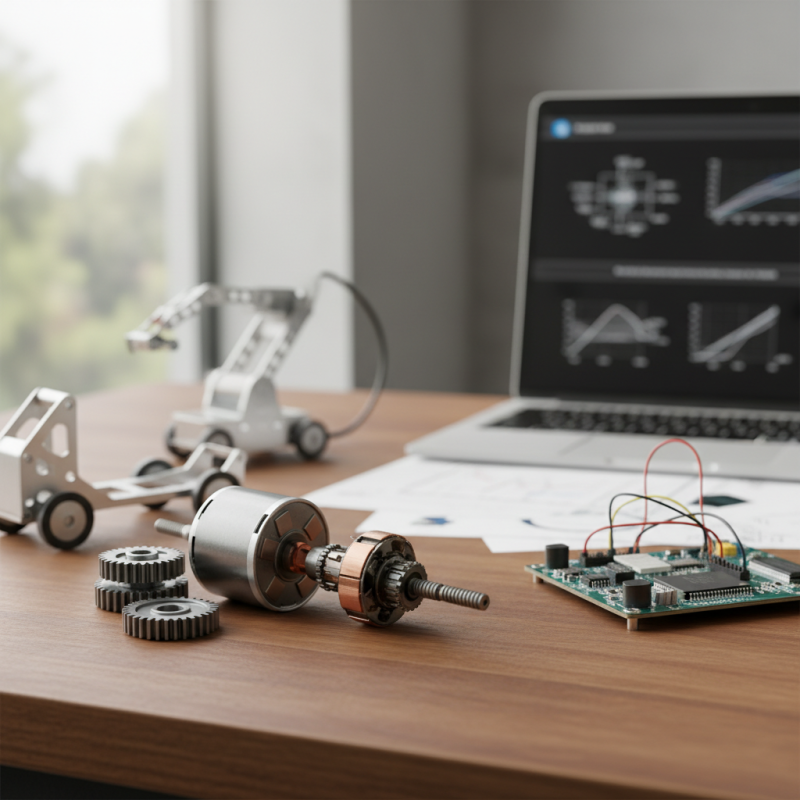
DC brushed motors are common in various projects due to their unique functionalities. They feature a simple design and are easy to control. This makes them ideal for beginners and hobbyists. The commutation in these motors happens via brushes against the rotor. This friction can wear out the brushes over time. However, they are cost-effective for numerous applications.
When selecting a motor for your project, consider the load requirements. Ensure that the motor can handle the specific tasks you want it to perform. A well-matched motor can enhance efficiency. Look for options in the Wholesale Brushed Motor And Brushless Motor categories. This approach can save costs and provide the best fit for your needs.
As you dig deeper into DC brushed motors, pay attention to their lifespan and maintenance. Regular inspection of the brushes is crucial. Sometimes, they can wear out faster than expected. It’s essential to have a replacement plan. Don’t overlook details like adequate cooling, as overheating can harm performance. Learning to troubleshoot can significantly improve project outcomes.
| Benefit | Description | Application Areas |
|---|---|---|
| Simplicity | DC brushed motors have a simple construction which makes them easy to use and integrate into projects. | Robotics, Home Appliances |
| Cost-Effectiveness | Generally, DC brushed motors are cheaper compared to other types of motors. | Consumer Electronics, HVAC Systems |
| Ease of Control | They can be easily controlled for speed and direction using simple circuits. | Model Cars, Fans |
| High Torque | Provides high torque at low speeds, making them effective for various applications. | Conveyor Belts, Electric Tools |
| Compact Size | DC brushed motors are typically smaller and lighter than their counterparts. | Portable Devices, Robotics |
| Reliability | These motors are known for their robustness in various operating conditions. | Industrial Machines, Automotive Applications |
| Availability | They are widely available and a standard choice for many applications. | General and Specialty Tools |
| Versatility | Can be used in a range of applications from toys to industrial equipment. | Consumer Products, Automotive |
| Lower Maintenance | Require less maintenance compared to some other types of motors. | Project Prototyping, Appliance Repair |
| Fast Response Time | DC brushed motors have quick response times to input changes. | Automation Systems, Robotics |
DC brushed motors are popular in various projects due to their unique advantages. One significant benefit is their simplicity. These motors have fewer components, which makes them easier to manufacture and maintain. In fact, a recent industry study noted that maintenance costs could be cut by as much as 30% in applications utilizing brushed motors.
Another advantage lies in their torque characteristics. When starting from a standstill, DC brushed motors deliver high torque. This makes them ideal for applications like robotics and automotive systems. Research indicates that they can produce up to 50% more torque than some brushless counterparts in similar conditions. However, the durability of brushed motors is lower due to wear on brushes. Users must monitor performance over time to prevent failure.
Efficiency is a key factor, but it varies. Many DC brushed motors operate at around 70-80% efficiency. This can lead to energy losses, particularly in prolonged use. Still, their affordability often outweighs this drawback in low-power projects. Understanding these nuances can help in making informed choices for your design needs.
DC brushed motors offer remarkable cost-effectiveness, making them ideal for numerous projects. Their simplicity in design often results in lower initial costs compared to other motor types. Many hobbyists and engineers appreciate this affordability, especially when working on tight budgets.
Applications such as robotics and small appliances benefit greatly from these motors. Users can achieve high torque at lower speeds, which is essential for many mechanical tasks. While High-Quality Brushed Motor And Brushless Motor options exist, the decision often hinges on budget constraints. Users may find themselves opting for brushed motors, only to wonder about potential longevity issues.
In certain scenarios, the performance might not match expectations. For instance, in demanding environments, brush wear can lead to inefficiencies. This reality could lead users to rethink their choices. Despite the cost savings, the trade-off in durability might raise questions. Adapting projects based on these insights could make future endeavors more successful.
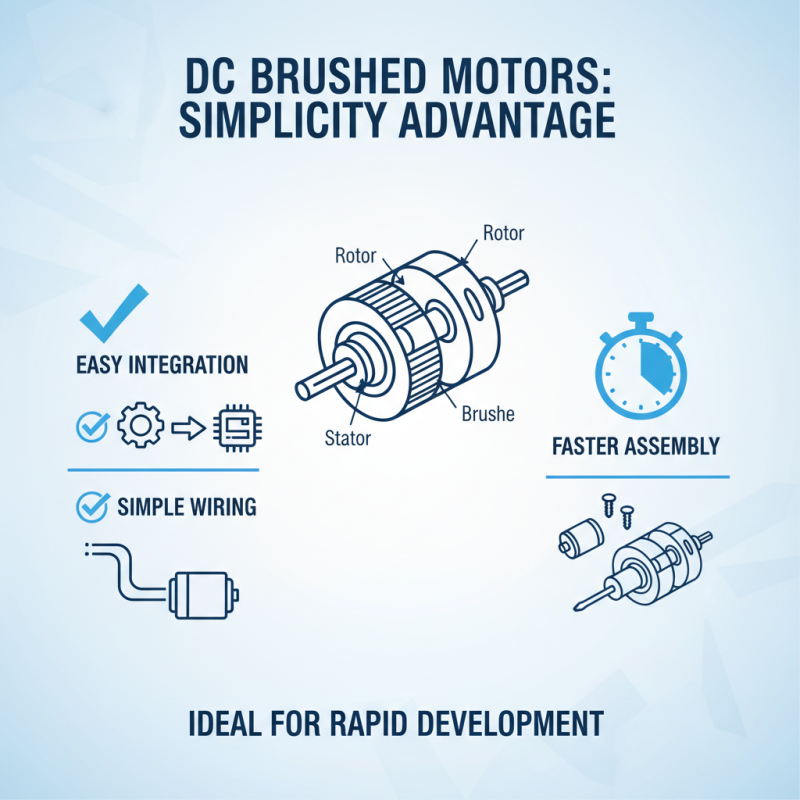
When integrating DC brushed motors into your projects, simplicity stands out as a key advantage. Their design is straightforward. You can easily integrate them with existing systems. This feature is crucial for developers working on tight deadlines. The wiring is often less complicated than brushless motors. Installing a brushed motor typically requires fewer components. This reduces assembly time significantly.
Tips: Always check your voltage specifications. Ensure the power supply aligns with the motor requirements. An incorrect voltage can lead to performance issues.
Brushed motors have a natural advantage in compact projects. They offer excellent torque at low speeds. This is useful for robotics or hobbyist applications. However, they do have limitations in terms of lifespan and maintenance. Regular upkeep is necessary to ensure their continued performance. Unlike brushless motors, which can be more robust, brushed motors may require periodic replacement.
Consider where Zhengke Brushed Motor And Brushless Motor fit into your designs. Each has its merits and drawbacks. Take the time to evaluate your specific needs before making a decision. The ease of integration with brushed motors is appealing, yet their maintenance demand requires careful thought.
When considering DC brushed motors, reliability is a key factor. These motors often come with maintenance challenges that can impact performance. Brushes wear out over time, leading to performance issues. Regular checks can prevent unexpected failures and extend motor life.
Maintenance routines should include inspecting brushes for wear and tear. Failing to do so may result in a drop in efficiency. Proper lubrication of moving parts is vital. Users should note that neglecting this may lead to increased friction and potential motor damage. Dust accumulation can also hamper motor performance, so keeping the area clean is essential.
Despite their advantages, DC brushed motors require careful handling. Overloading can lead to overheating, posing risks to both the motor and the project. There’s a fine line between optimal performance and damage. Understanding these nuances is crucial for successful implementation. Regular evaluation of motor conditions can lead to better outcomes in projects.
Brushed Dc Electric Motors are popular in various projects due to their unique performance characteristics. The torque delivered by these motors is impressive, often exceeding 0.5 Nm in compact designs. This level of torque makes them suitable for applications requiring significant starting force. For instance, in robotics, precise control over torque is crucial for maneuvering heavy components. However, designers must consider that torque can vary with speed, potentially leading to inefficiencies.
Speed control is another key aspect of brushed DC electric motors. These motors can reach speeds of up to 3,000 RPM. This flexibility allows for customization in various applications, from model cars to industrial machinery. However, overheating can occur at high speeds, limiting their operational efficiency. Industry reports indicate that about 30% of brushed motors experience performance drops under prolonged high-speed operations. This highlights the importance of cooling mechanisms in design.
Control systems also play a vital role in the effectiveness of brushed DC electric motors. Pulse width modulation (PWM) is often used to enhance their responsiveness. This method allows for smooth speed adjustments while maintaining torque. Nonetheless, the complexity of the control systems can lead to potential failures if not managed correctly. Understanding these performance characteristics is essential for making informed decisions in motor selection for projects.
When comparing DC brushed motors to other types, it’s clear why they remain popular. These motors are simple to use and cost-effective. Their design is straightforward, making them easy to integrate into various projects. The brushed setup allows for easy maintenance. However, they can wear out faster than some brushless options, requiring careful management.
DC brushed motors offer good torque at low speeds. This feature suits many applications, from robotics to small appliances. Their compact size is also a plus, allowing flexibility in design. However, noise and sparking can be issues, which might not be ideal in certain settings. These motors do have limitations, such as lower efficiency compared to brushless variants. It’s essential to weigh these factors against your project’s specific needs.
In essence, while DC brushed motors come with clear benefits, they are not always the best choice. Depending on the project, other motor types might outperform them in efficiency and longevity. An honest evaluation will guide you to make better choices for your engineering needs.
: The articles aim to provide insightful information on a specific topic, offering guidance and advice.
Anyone interested in the subject can find the articles useful, from beginners to experts.
You can apply the insights in practical scenarios, enhancing your understanding and skills.
Yes, the articles are informed by research, personal experiences, and expert opinions.
Yes, sharing is encouraged to spread awareness and knowledge on the topic.
Imperfections may exist, as not all perspectives can be covered; readers are encouraged to think critically.
Yes, information may evolve, so revisiting articles periodically is beneficial.
You can provide feedback via comments or discussions to engage with the topic.
Additional resources can be found in references or suggested readings at the end of the articles.
It’s important to research further and compare different sources to gain a balanced perspective.
Motor DC Brushed is a popular choice for various projects due to its many advantages. These motors are known for their easy integration with existing systems, making them a preferred option for both novice and experienced engineers. Their design allows for straightforward control over torque and speed, which can be tailored to meet specific project requirements. Additionally, DC Brushed motors are cost-effective, providing an economical solution without compromising performance.
Another significant aspect of Motor DC Brushed is its reliability and low maintenance needs. As these motors are generally simpler in construction, they tend to be more durable over time. The performance characteristics, including consistent torque and speed control, make them ideal for a range of applications. In comparison to other motor types, DC Brushed motors stand out for their ease of use and capability to efficiently deliver desired results in myriad settings.