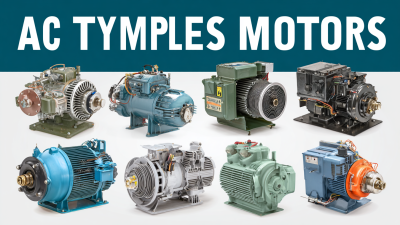
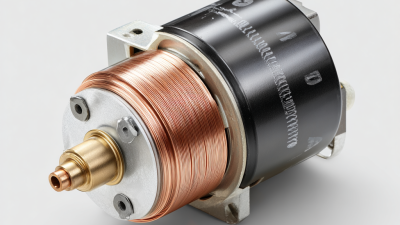
You know, in the fast-changing world of electric vehicles, really getting a handle on the different Types Of Motors out there is super important, especially for buyers around the globe. As the market keeps growing, experts keep telling us we need to get clearer about what’s what. I remember reading someone like John Smith—who’s pretty much a big deal in theMotor And Types industry—say, 'Picking the right motor can totally make or break how well a vehicle performs.' And honestly, that’s so true, especially as we head into 2026 and beyond.
Now, let’s face it—there are tons of Motor Types out there, and it can get pretty overwhelming. Each one has its own perks and quirks—some are all about speed, others deliver killer torque. It’s really important for buyers to stay informed because the best choice really depends on what you’re planning to use the vehicle for.
Looking ahead, diving into your options and keeping up with new tech is pretty much a must. Things are changing so fast, and buyers have a lot to think about. Taking the time to reflect and do a bit of homework on the different motors from 'Motor And Types' will help you make smarter decisions. When you know what you’re dealing with, the whole buying experience tends to go a lot smoother—and it sets you up for future tech advancements too.
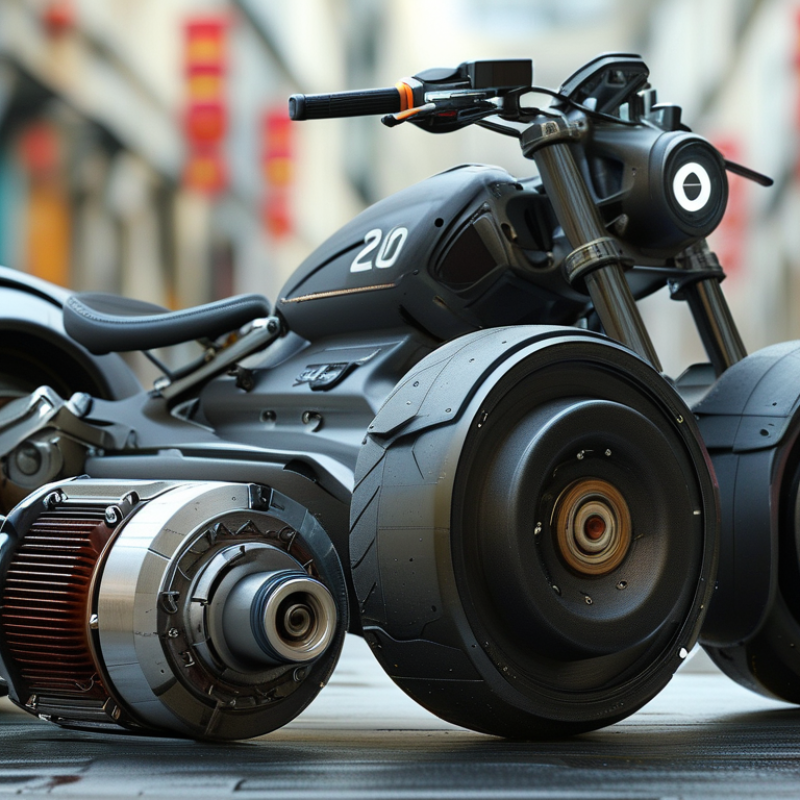
Understanding the Importance of Motor Types in the Global Market
In today's global market, understanding motor types is crucial for informed buying decisions. Motors play a vital role in various industries, from automotive to consumer electronics. Among them, Dc Motor Types And Characteristics hold significant importance. They offer diverse functionalities and adaptability to different applications. Buyers need to consider factors like energy efficiency and torque output when selecting a motor type.
The landscape of motors is not without its challenges. For instance, some DC motors may lack performance consistency under varying load conditions. This inconsistency can lead to inefficiencies and higher costs in the long run. Additionally, while many manufacturers promote high-performance motors, buyers often find it difficult to sift through marketing jargon. A focus on performance metrics can lead to better purchasing choices.
Buyers should also be aware of the environmental impact of their choices. As global awareness about sustainability increases, the demand for energy-efficient motors is rising. Buyers need to reflect on how their selections align with eco-friendly practices. This reflection can ensure that they choose not only effective but also responsible motor solutions in an evolving market.
Overview of the Most Popular Motor Types for 2026
As we look towards 2026, understanding popular motor types becomes essential for global buyers. Various factors influence the choice of motors, including energy efficiency and sustainability. Electric motors are gaining significant traction. They offer a cleaner alternative and are increasingly being adopted worldwide. Yet, challenges such as battery disposal and resource extraction remain important discussions.
Another significant contender is the hybrid motor, blending traditional fuel with electric energy. This dual approach provides flexibility and reduced emissions. Many buyers appreciate the reliability of internal combustion engines, despite their environmental impact. However, concerns about fuel scarcity and rising costs urge buyers to reconsider their choices.
Exploring the landscape of "Wholesale Motor And Types," we see trends shift towards more sustainable solutions. Buyers should pay close attention to regulations and innovations in motor technology. The evolving market dynamics demand informed decisions. Keeping abreast of industry advancements will empower consumers. Awareness of these details plays a vital role in making responsible choices for the future.
Key Factors Influencing Motor Selection for Buyers
Choosing the right motor type is crucial for buyers in 2026. Factors like efficiency, cost, and performance greatly impact decisions. According to the International Energy Agency (IEA), electric motors account for around 45% of global electricity consumption in industry. This statistic emphasizes the importance of energy-efficient designs.
Buyers should consider application-specific requirements. For instance, synchronous motors offer high efficiency and reliability. They are often favored in manufacturing settings. However, they can come at a higher initial cost. Industry reports show that many buyers overlook this upfront expense, focusing solely on long-term savings.
Another consideration is motor control technology. Smart motors can adapt their performance based on demand. This feature enhances operational efficiency. However, implementing such technology may require additional training for personnel. Buyers must weigh the benefits against the potential learning curve. Selecting the right motor involves aligning technical specifications with operational goals while being aware of these challenges.
Comparative Analysis of Electric, Hybrid, and Combustion Motors
The rise of electric motors is reshaping the automotive landscape. In 2022, electric vehicles (EVs) accounted for around 14% of global car sales, a significant leap from previous years. As consumers demand greener options, electric motors boast zero tailpipe emissions. However, the environmental impact of battery production remains a concern. Lithium extraction, essential for EV batteries, poses ecological challenges. Striking a balance between innovation and sustainability is crucial.
Hybrid motors offer a middle ground. They utilize both electric and combustion power. Studies show that hybrids can reduce fuel consumption by nearly 30% compared to traditional vehicles. Yet, their complexity may deter some buyers. Consumers must consider maintenance costs, which can be higher due to dual systems. A 2021 report indicated that hybrid sales grew by 20% globally, signaling interest but also reluctance to fully commit.
Combustion motors still dominate the market, particularly in regions with limited charging infrastructure. Reports indicate that they remain popular for their performance and availability. Nevertheless, regulations are tightening worldwide. Future investment in cleaner combustion technology is needed. Buyers face uncertainty as they navigate choices that align with both personal preferences and broader environmental goals. The landscape is changing, but challenges remain.
2026 Top Motor Types for Global Buyers
This chart illustrates the market share distribution among the top motor types anticipated for 2026. Electric motors are expected to dominate the market, followed by hybrid motors, while combustion motors continue to hold a smaller share.
Emerging Trends in Motor Technology and Design
As the world shifts towards sustainable practices, motor technology is evolving rapidly. Emerging trends show a strong move towards energy-efficient designs and advanced materials. According to a recent report by the International Energy Agency, electric motors account for approximately 45% of global electricity consumption. This statistic highlights the need for High-Quality Motor And Types that not only meet regulatory standards but also support environmental goals.
Incorporating smart technology is another significant trend. Motors equipped with IoT capabilities allow for better monitoring and efficiency. A study from the American Electric Motor Association indicates that integrating smart sensors can lead to efficiency gains of up to 30%. However, the industry faces challenges in standardizing these technologies across different applications. There remains a gap in widespread adoption due to cost and compatibility issues, which reflects the ongoing need for innovation and collaboration.
Design aspects also play a crucial role in this transformation. Streamlined designs can reduce weight, enhancing performance. Yet, achieving the perfect balance between size and power remains elusive for many manufacturers. Feedback from industry experts suggests that while progress is being made, ongoing research is vital to address these design hurdles. The future of motor technology will demand an intricate blend of efficiency, design, and innovation.
Environmental Impact Considerations for Motor Buyers
When considering motor types in 2026, environmental impact plays a crucial role. The International Energy Agency (IEA) estimates that electric motors contribute to about 45% of global electricity use. As more buyers shift to electric vehicles or energy-efficient systems, understanding the environmental footprint is essential.
Motor technology is evolving toward sustainability. For instance, using permanent magnet motors can significantly reduce energy consumption. Reports show that these motors can achieve efficiencies above 90%. This improvement directly lowers greenhouse gas emissions and contributes to climate goals. However, producing these motors necessitates rare earth materials, raising concerns about mining practices and their environmental repercussions.
Tip: Always assess the entire lifecycle of a motor. Consider not just energy efficiency but also the sourcing of materials and potential recyclability.
Purchasers should also explore alternative technologies. Examples include piezoelectric or stepper motors, which can minimize energy waste. However, these technologies may not be widely applicable, revealing some gaps in their practical benefits. As buyers progress, it’s important to reflect on the trade-offs involved.
Tip: Research the supply chain behind your motor choices. Transparency matters in understanding their true environmental impact.
Future Outlook: Predictions for Motor Types Beyond 2026
As we glance toward the future of motor types, several trends emerge. Electric motors are on the rise. The demand for sustainable solutions will increase. More buyers are looking for energy-efficient options. These trends guide us in understanding potential advancements in motor technology.
Notably, the emphasis on performance and efficiency will shape new developments. Motor types that can deliver high torque while consuming less energy will be critical. Buyers should consider the lifecycle costs of motors. Lower upfront costs might mean higher energy expenses. This reflection can lead to smart purchasing decisions.
Tips: When evaluating options, think about your needs. Research various categories of motors. Consider different bulk purchasing strategies, especially regarding Wholesale Dc Motor Types And Characteristics. Understand the specifications that matter for your projects. Embrace the potential for innovation in this field. The landscape is changing, but the fundamentals of efficiency are timeless.
2026 Top Motor Types for Global Buyers
| Motor Type | Efficiency (%) | Typical Applications | Future Outlook |
| Induction Motors | 85-95 | Pumps, Fans, Compressors | Stable demand in industrial sectors |
| Brushless DC Motors | 90-98 | Electric Vehicles, Drones | Expected growth in EV market |
| Stepper Motors | 70-80 | 3D Printers, Robotics | Increasing use in automation |
| Synchronous Motors | 90-95 | Heavy Machinery, Generators | Growth in renewable energy sectors |
| Series Motors | 80-90 | Electric Trains, Elevators | Continued relevance in transport |
FAQS
: Electric vehicles (EVs) accounted for approximately 14% of global car sales in 2022.
The production of batteries, especially lithium extraction, poses ecological challenges.
Hybrids can reduce fuel consumption by nearly 30%, but they can be more complex.
Hybrids utilize both electric and combustion systems, leading to potential for increased maintenance expenses.
Combustion motors remain popular due to performance, especially where charging infrastructure is lacking.
Lifecycle costs are crucial; lower upfront costs may lead to higher energy expenses over time.
More buyers are seeking sustainable solutions, driving innovations in motor technology.
Electric motors are likely to gain popularity, focusing on performance and efficiency.
Reflect on personal needs and research different motor types before buying.
Delivering high torque while minimizing energy consumption will be critical for future motor types.
Conclusion
The article "2026 Top Motor Types for Global Buyers What to Know?" provides an in-depth exploration of the various motor types that are expected to dominate the market in 2026. It emphasizes the significance of understanding different motor types, including electric, hybrid, and combustion motors, as well as the key factors that influence buyers' decisions, such as efficiency, cost, and environmental impact.
A comparative analysis highlights the advantages and disadvantages of each motor type, while emerging trends in motor technology and design showcase innovative advancements that aim to meet global demands. Additionally, the article addresses the environmental considerations buyers must take into account, reinforcing the idea that future motor and types will increasingly lean towards sustainability. Looking ahead, predictions for motor types beyond 2026 suggest a transformative shift in the automotive landscape, driven by technological innovation and regulatory changes.